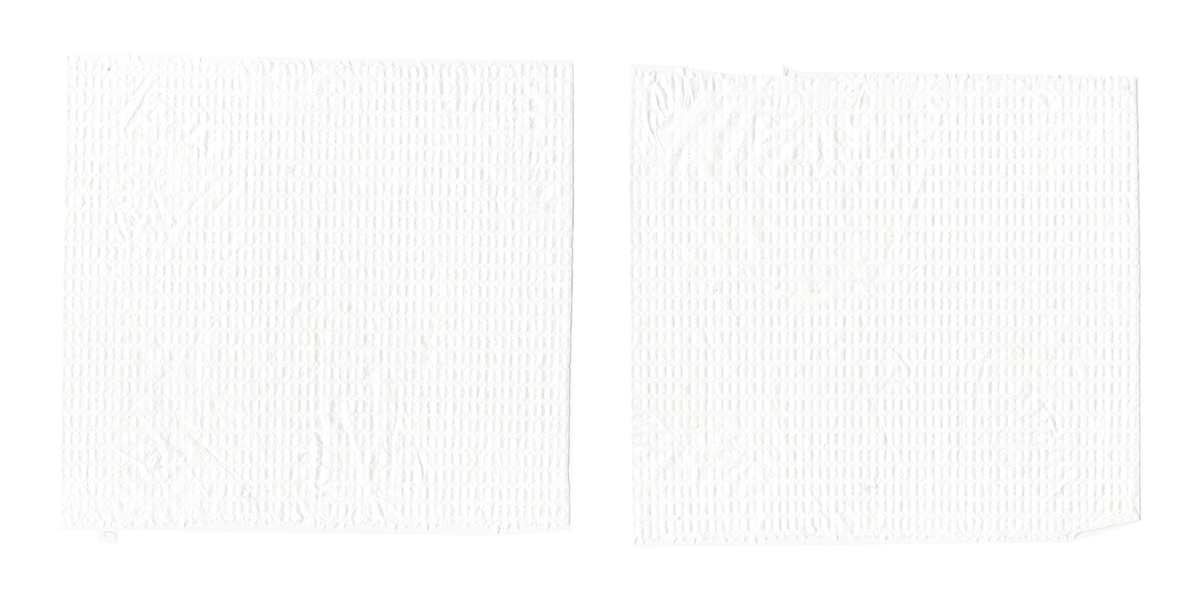
tp1be3.75x4.25
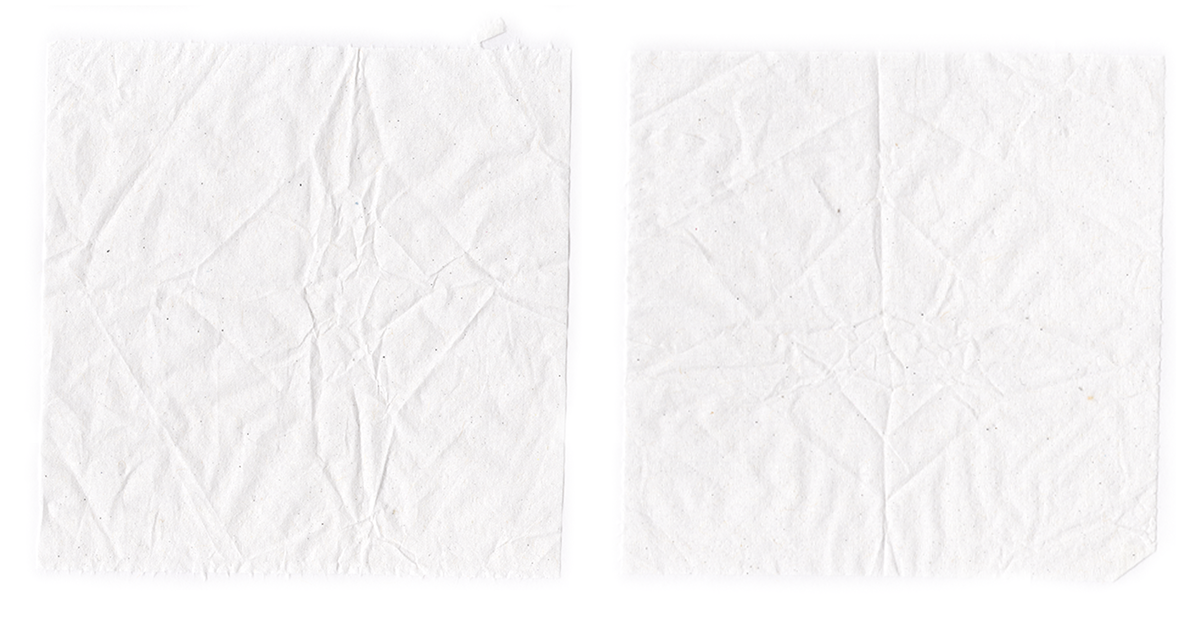
tp1b4x4
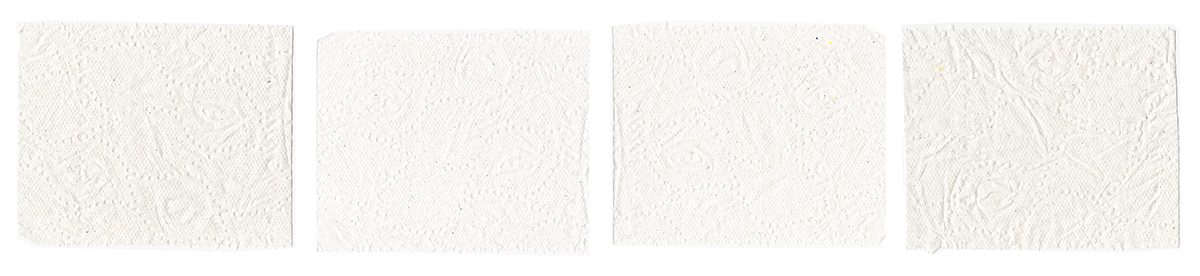
tp2be3x4
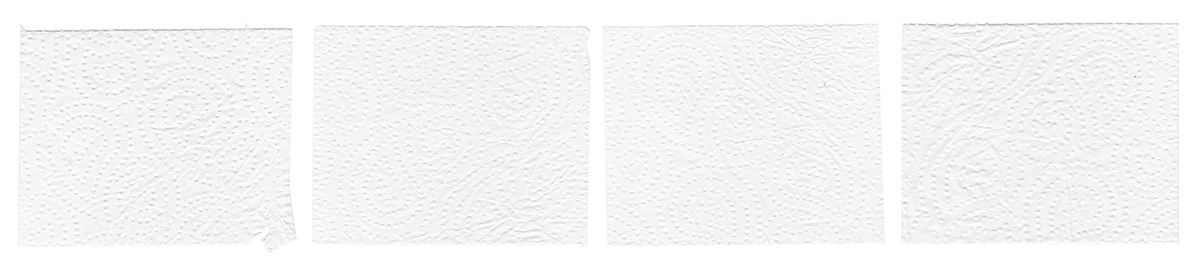
tp2be3x4.25
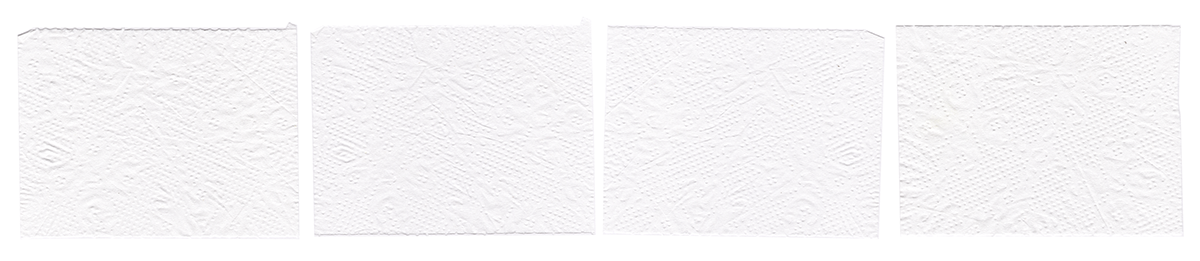
tp2be3x4.5
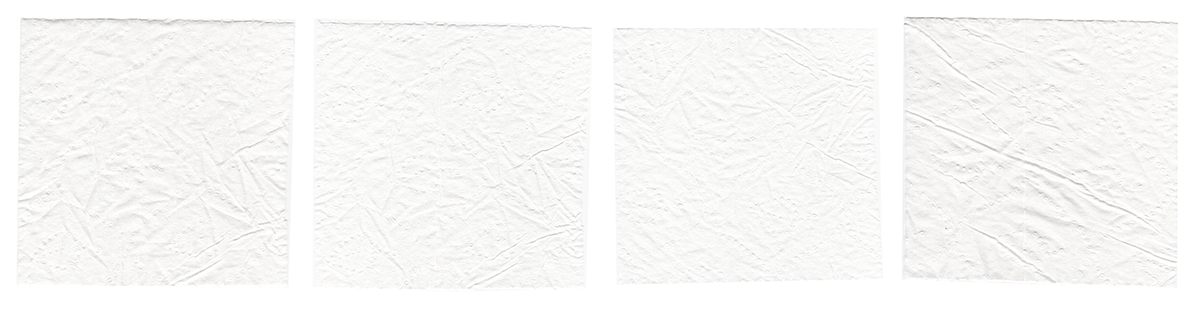
tp2be3.5x4
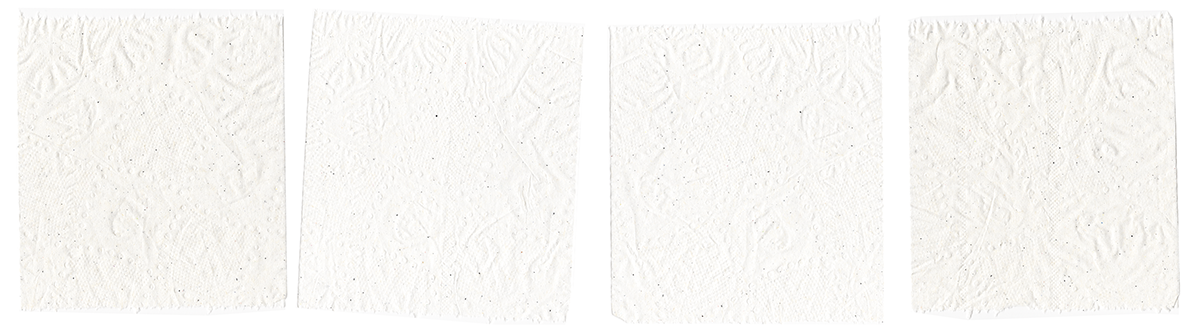
tp2be3.5x4
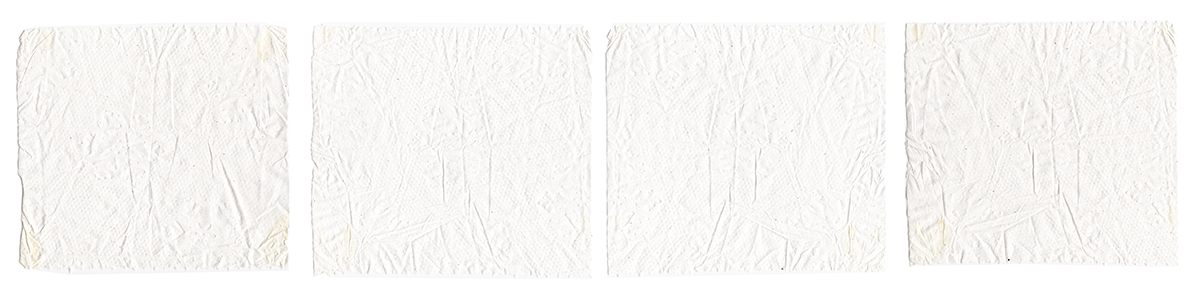
tp2be3.5x4
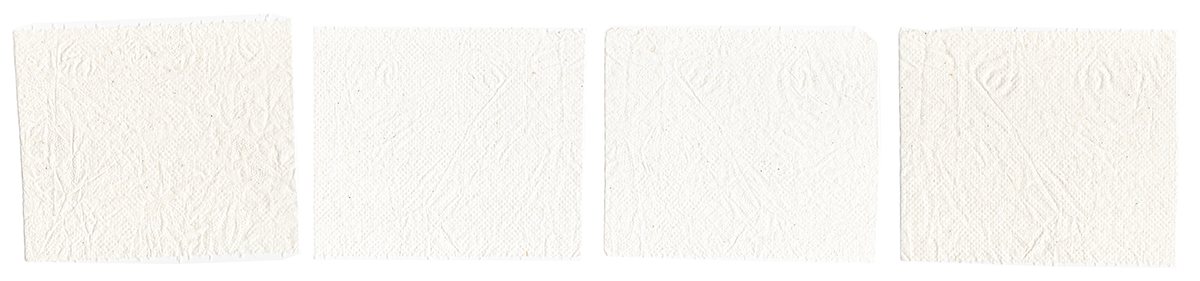
tp2be3.5x4.25
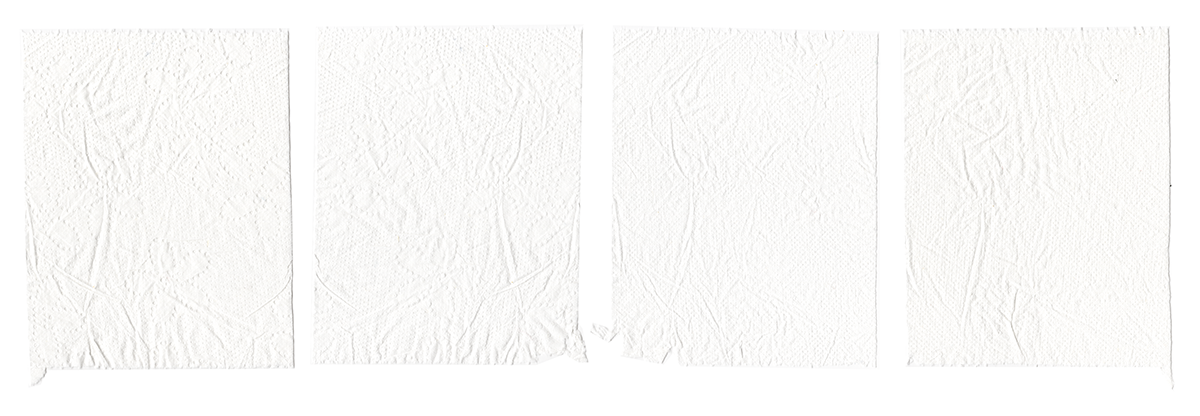
tp2be3.5x4.5
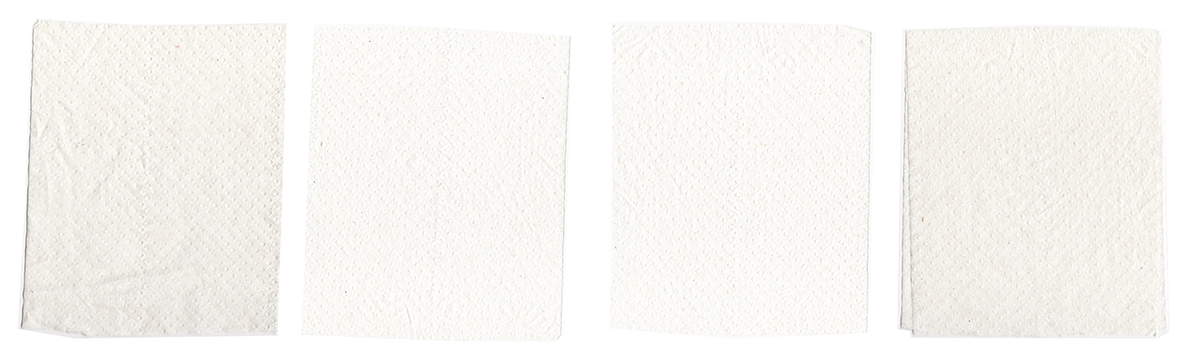
tp2be3.5x4.25
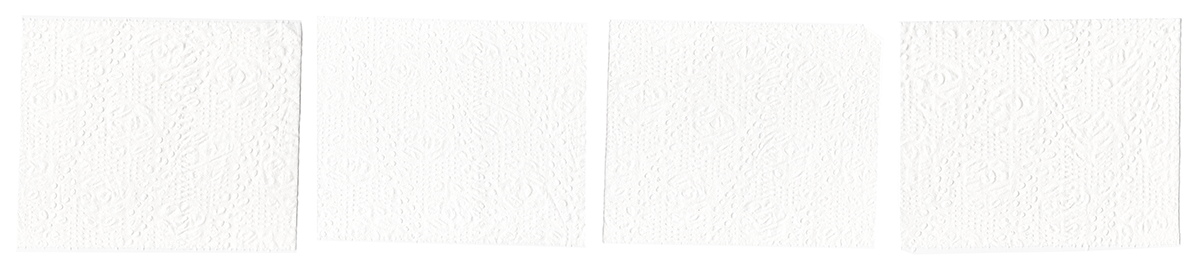
tp2be3.5x4.25
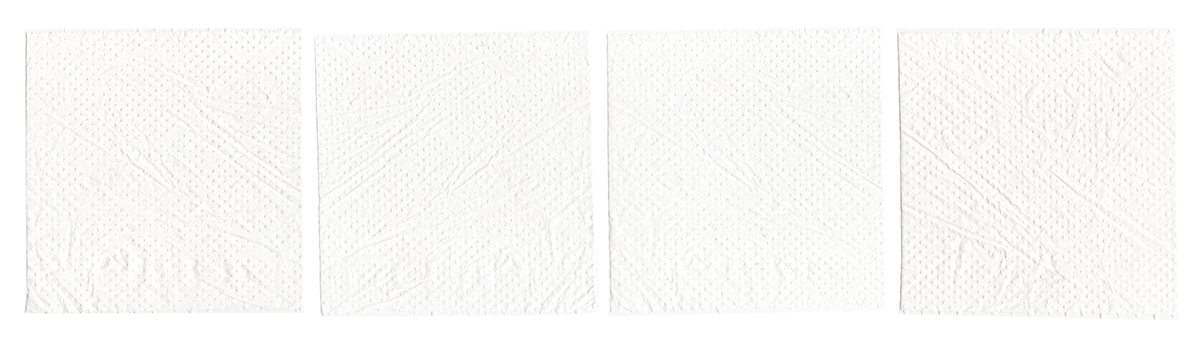
tp2be3.75x3.75
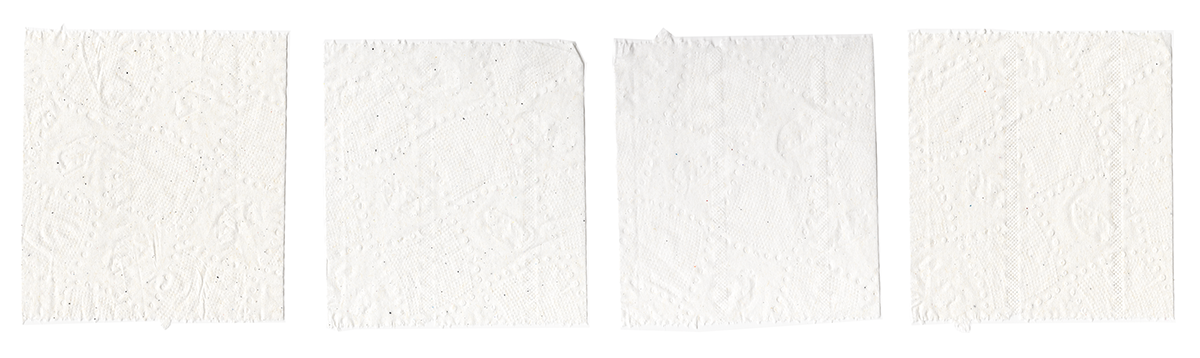
tp2be3.75x4
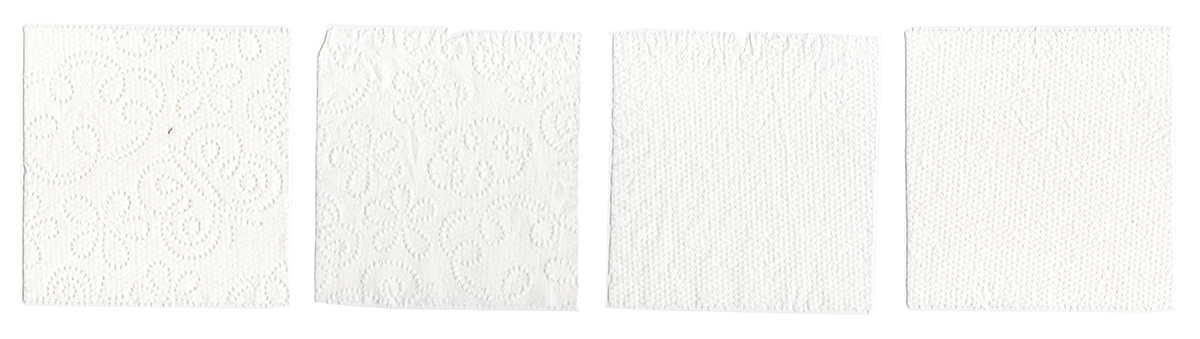
tp2be3.75x4
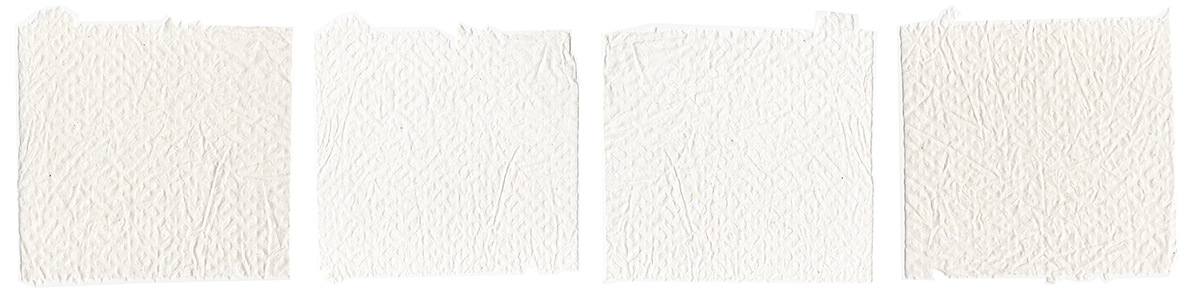
tp2be3.75x4
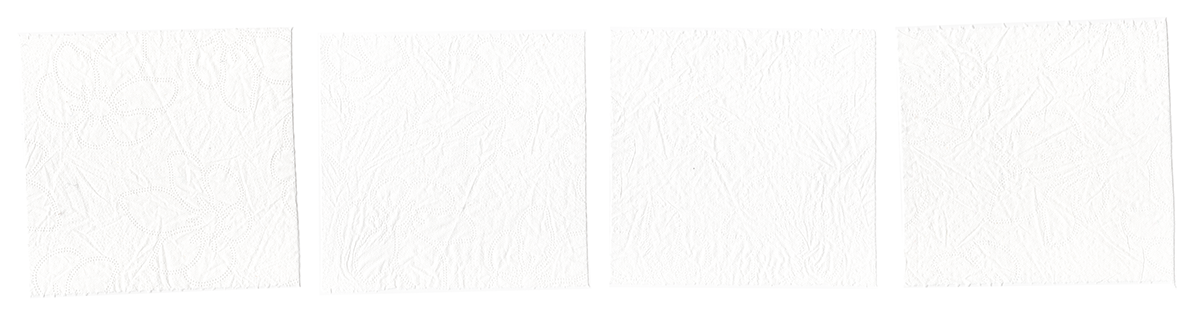
tp2be3.75x4
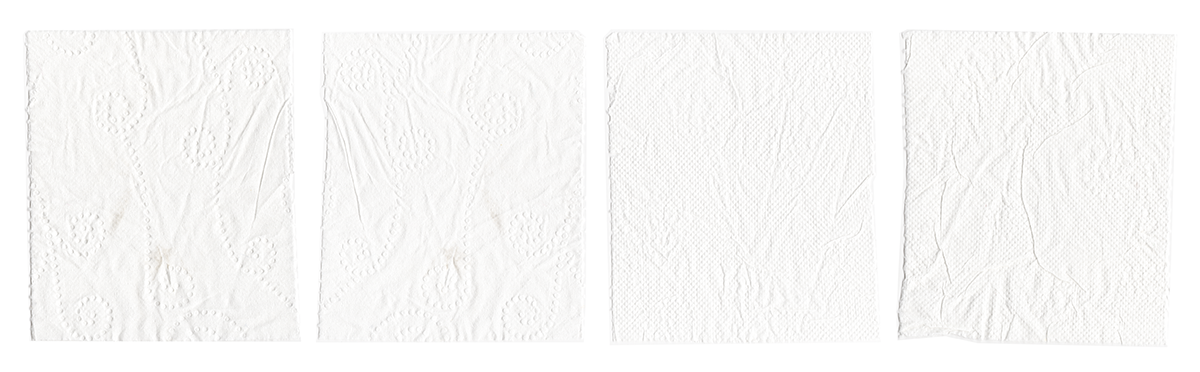
tp2be3.75x4.5
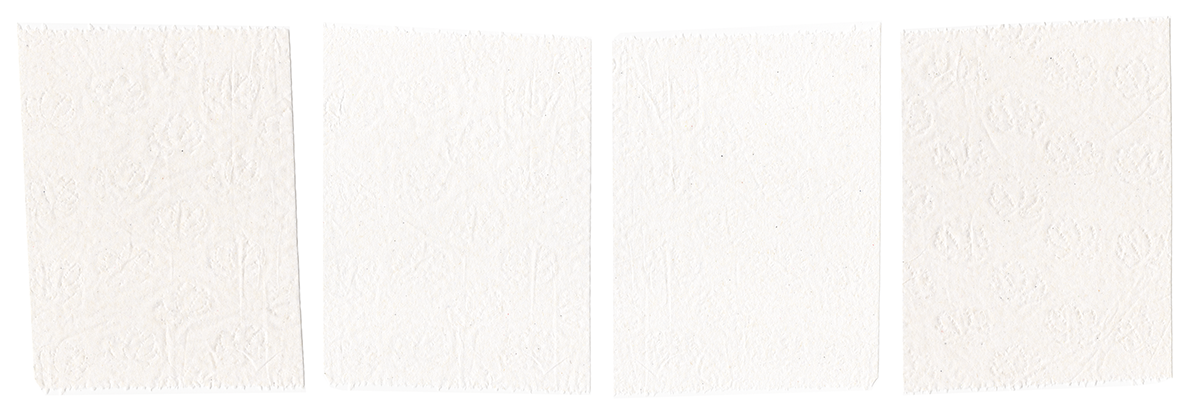
tp2be3.75x5
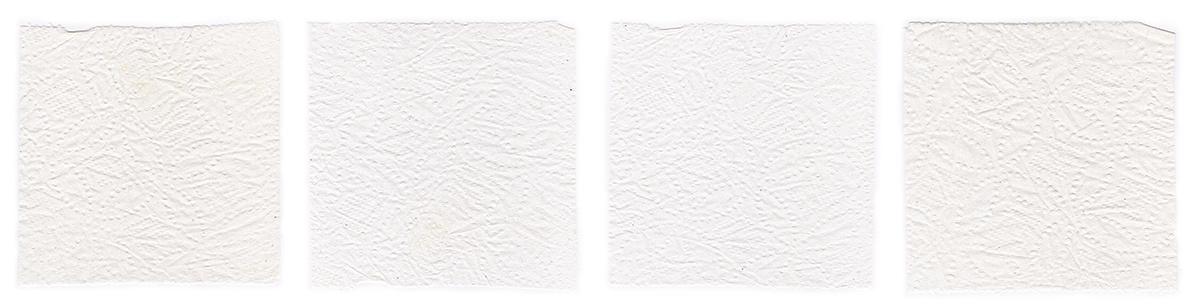
tp2be4x4
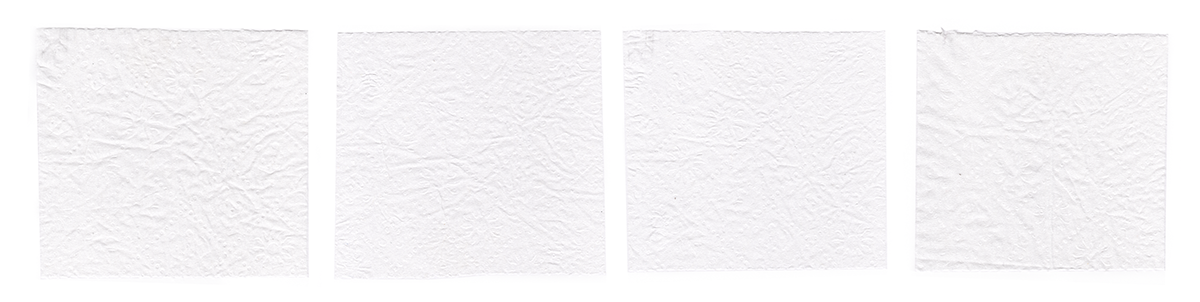
tp2be4x4
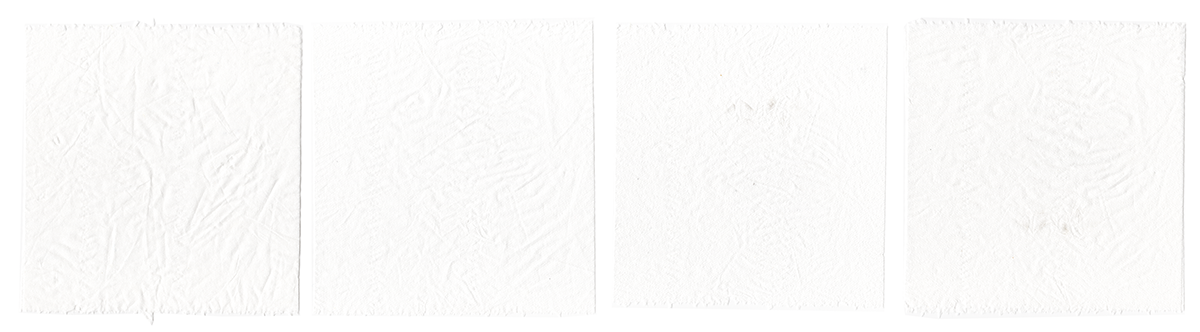
tp2b4x4
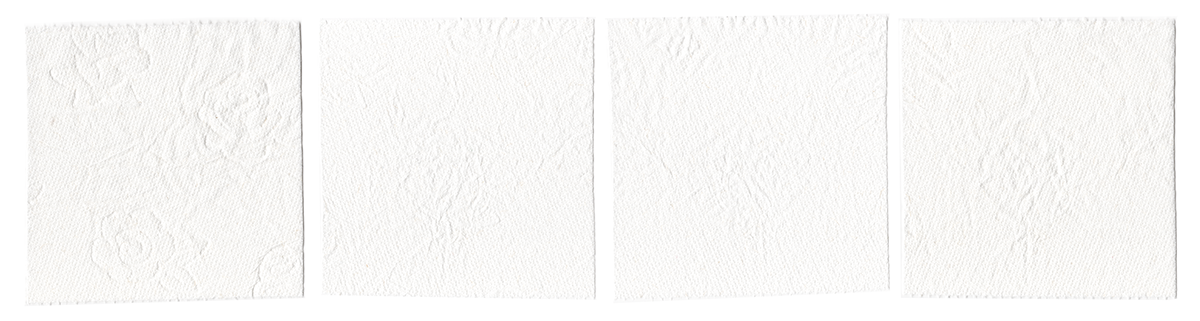
tp2be4x4
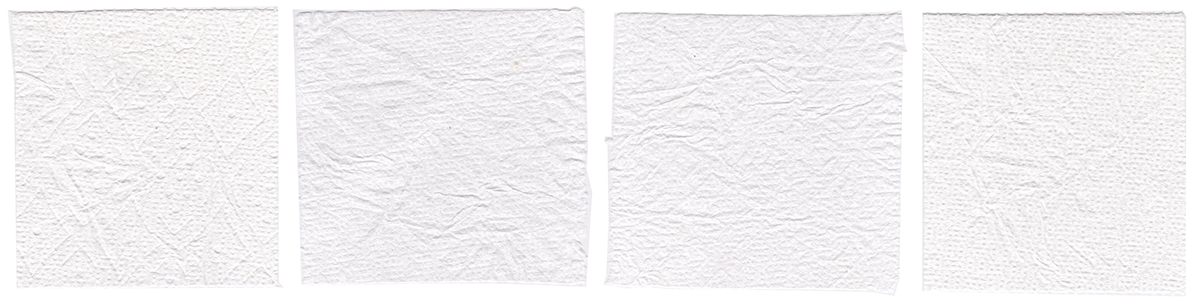
tp2be4x4
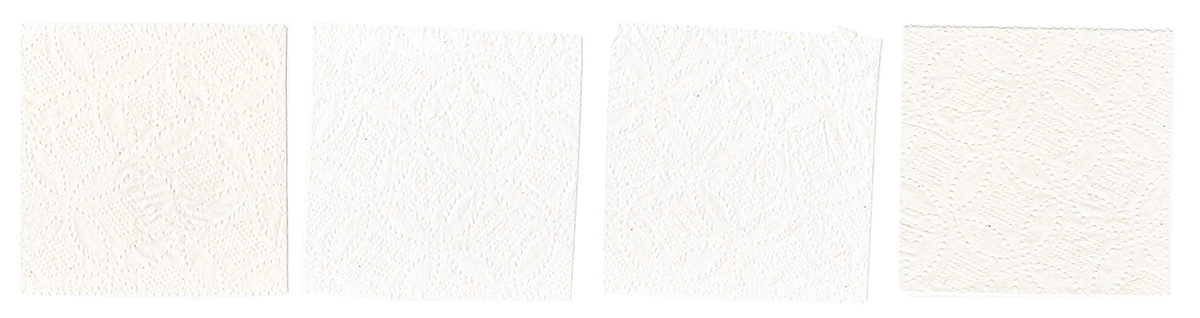
tp2be4x4
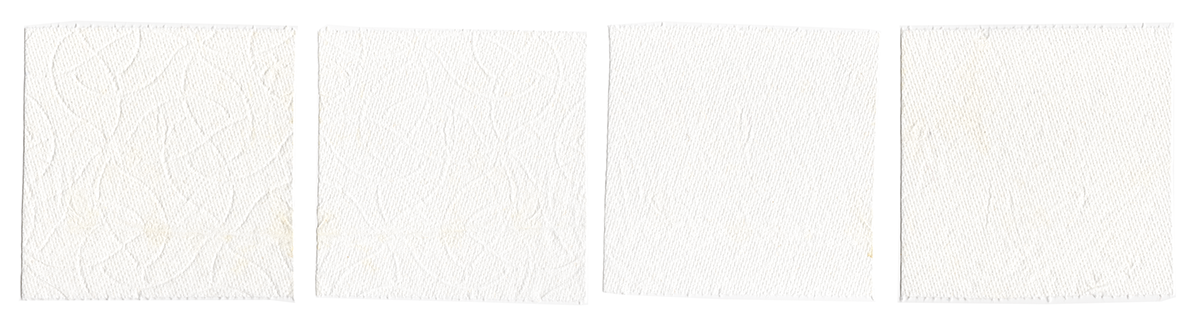
tp2be4x4
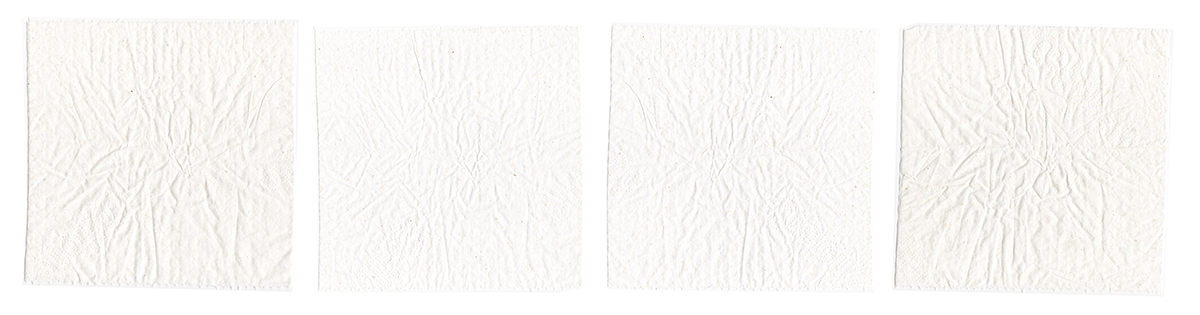
tp2be(cottonelle)4x4
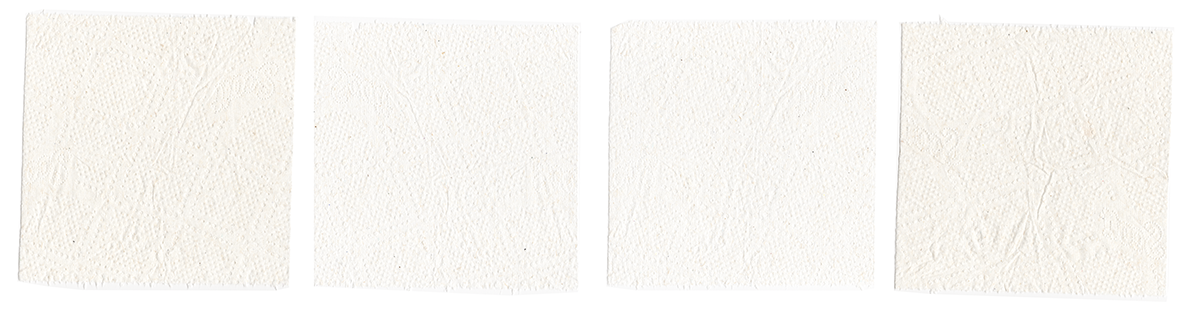
tp2be(scott)4x4
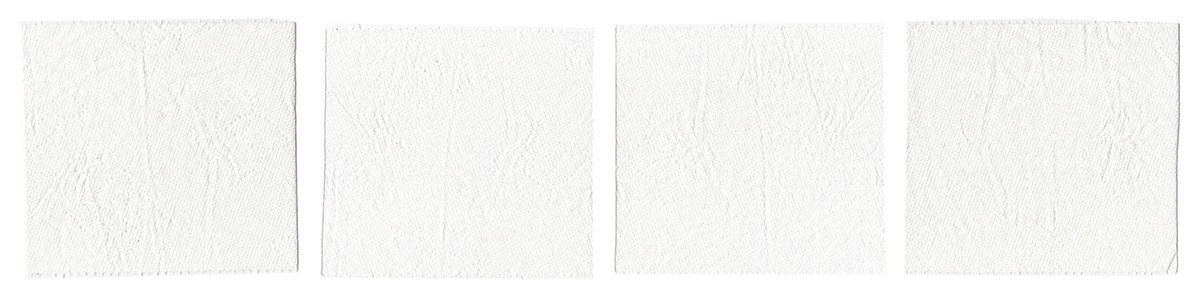
tp2be4x4.25
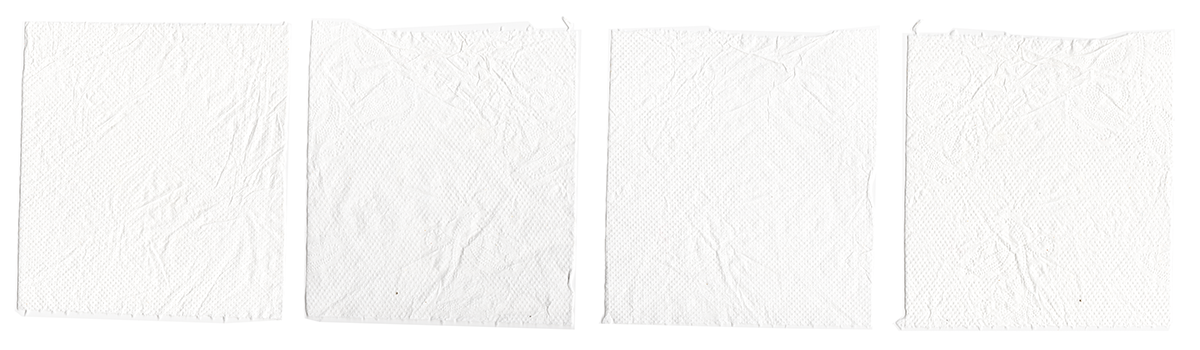
tp2be4x4.25
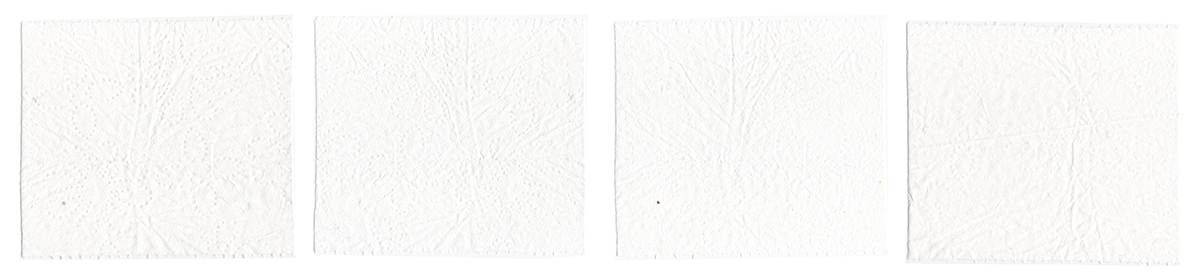
tp2be4x4.5
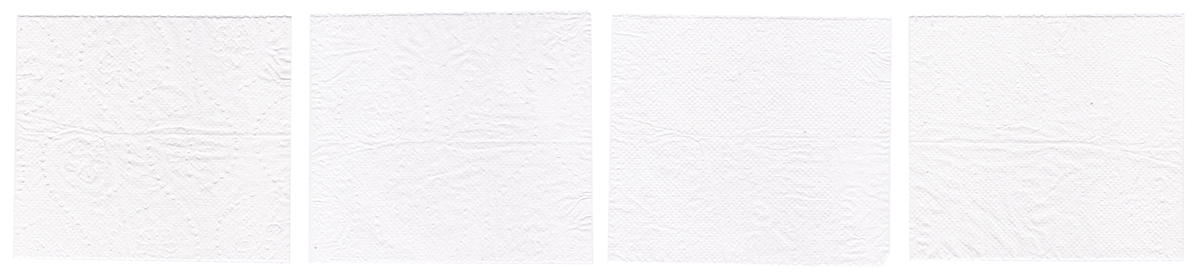
tp2be4x4.5
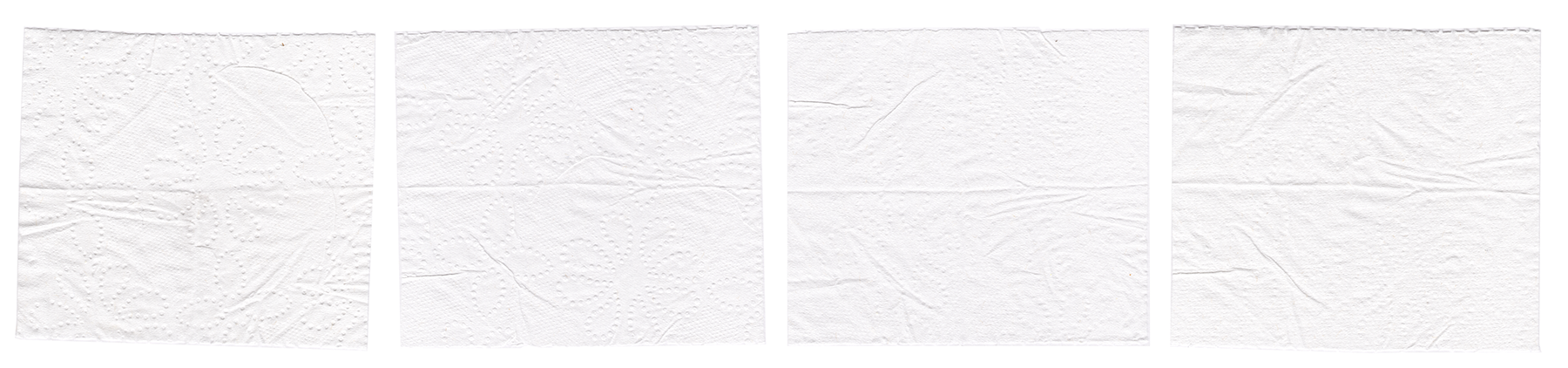
tp2be4x4.5
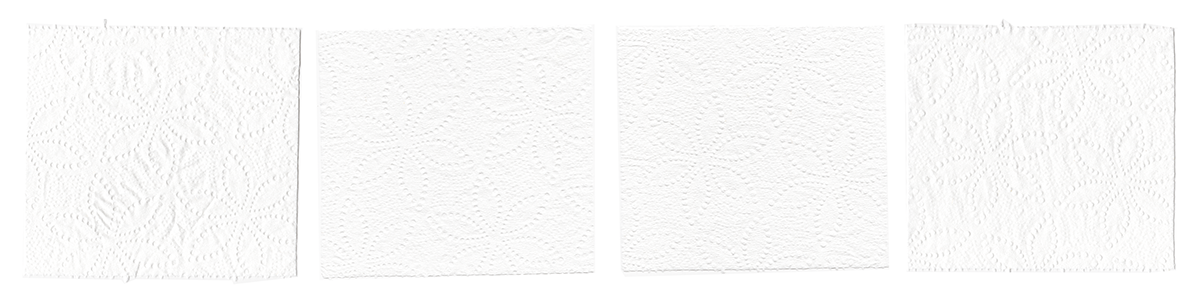
tp2be4x4.5
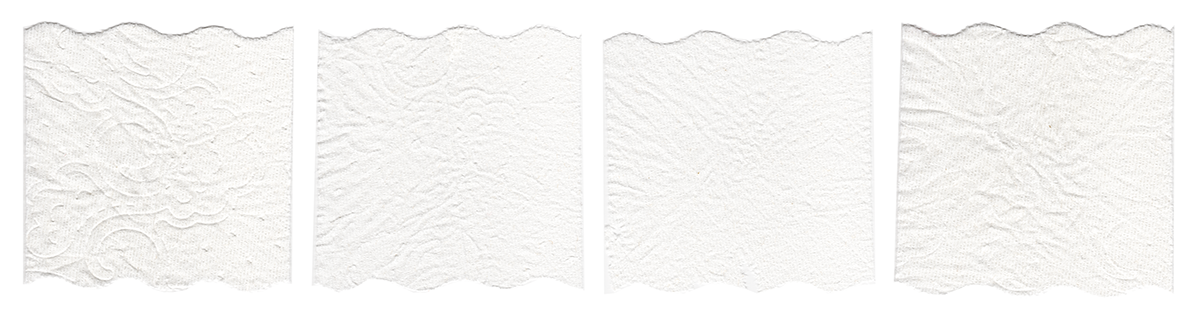
tp2be4.5x4.5
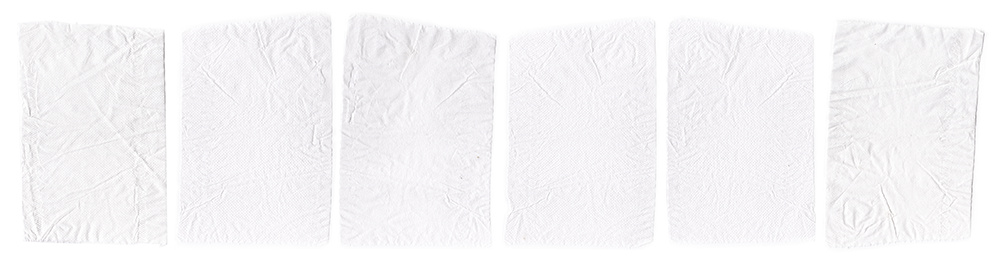
tp3be6x4
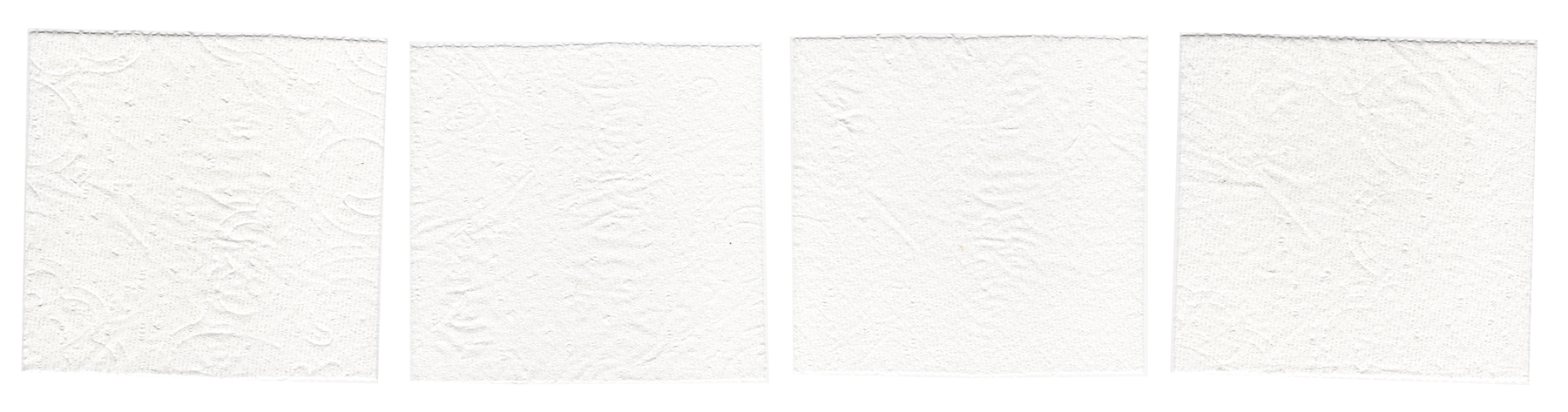
tp2be4.5x4.75
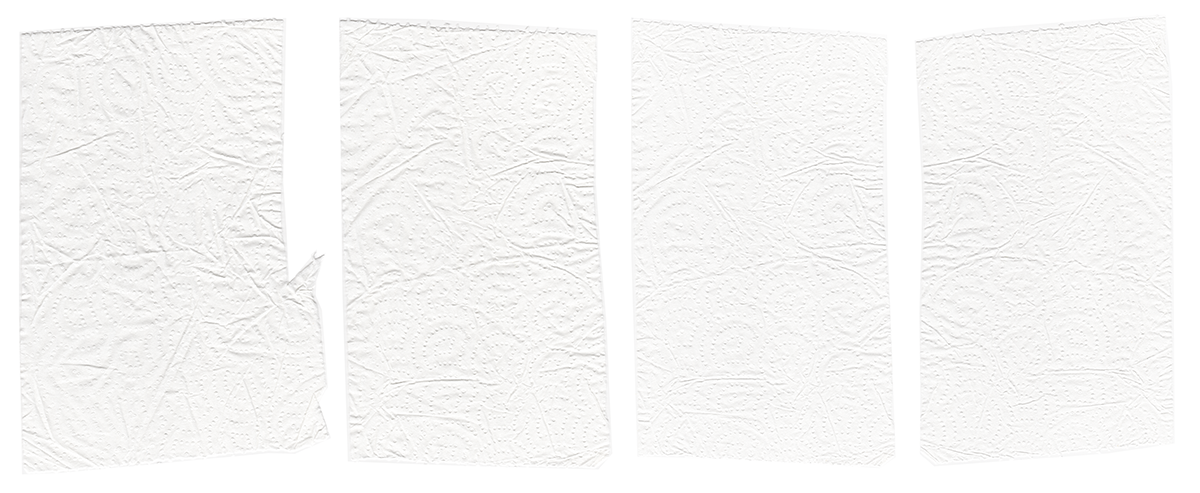
tp2be5.25x8.5
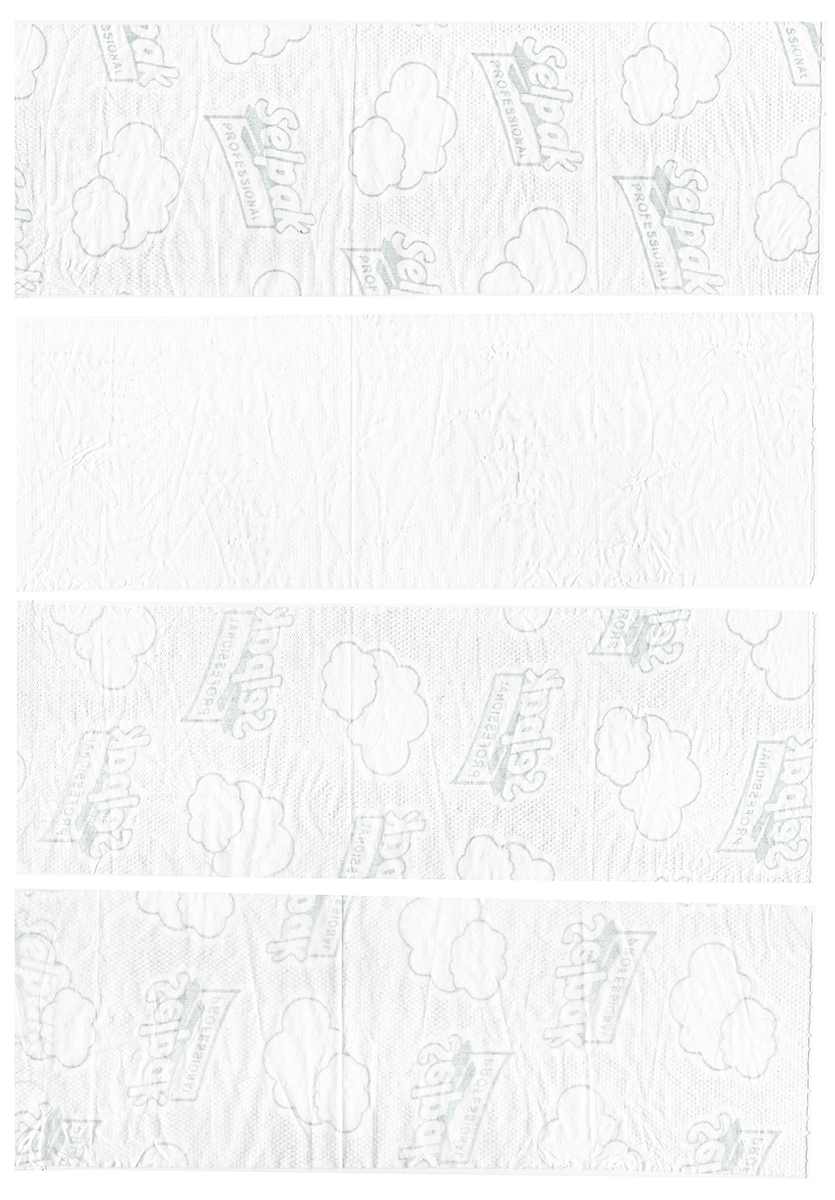
tp2bc(grey-blue)e(selpak)4x13

tp3nbe4x4.25
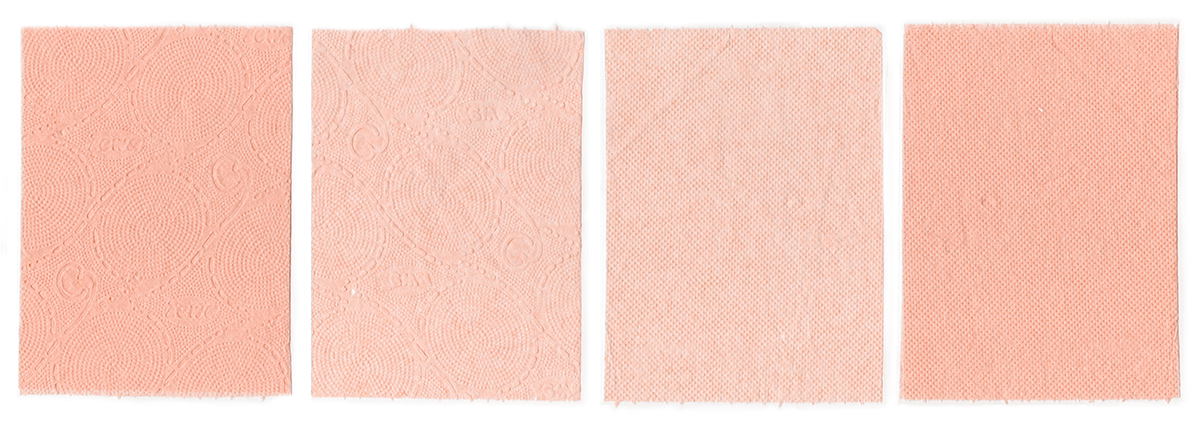
tp2c(peach)e(zewa)sc(peach)5x3.5
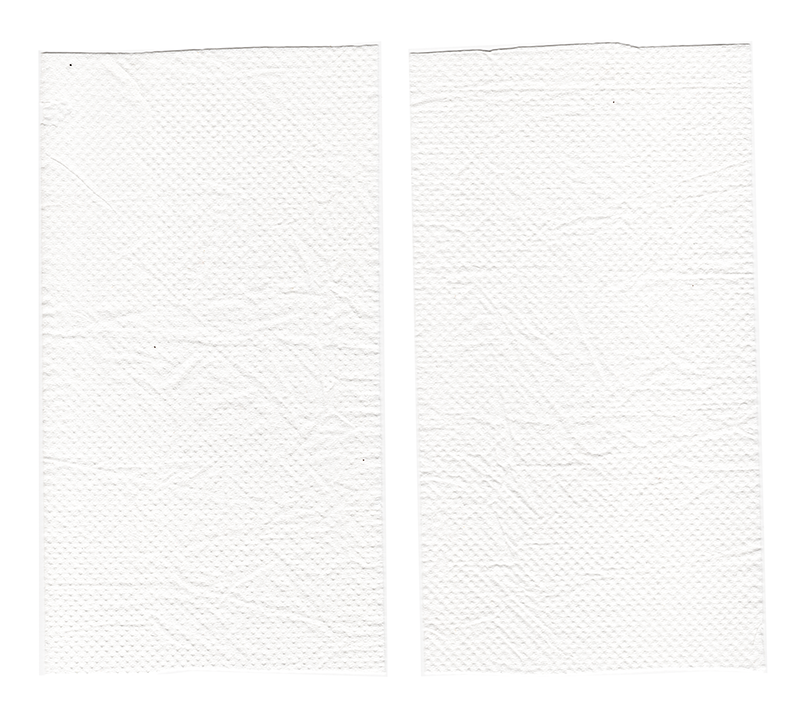
tp1be3.75
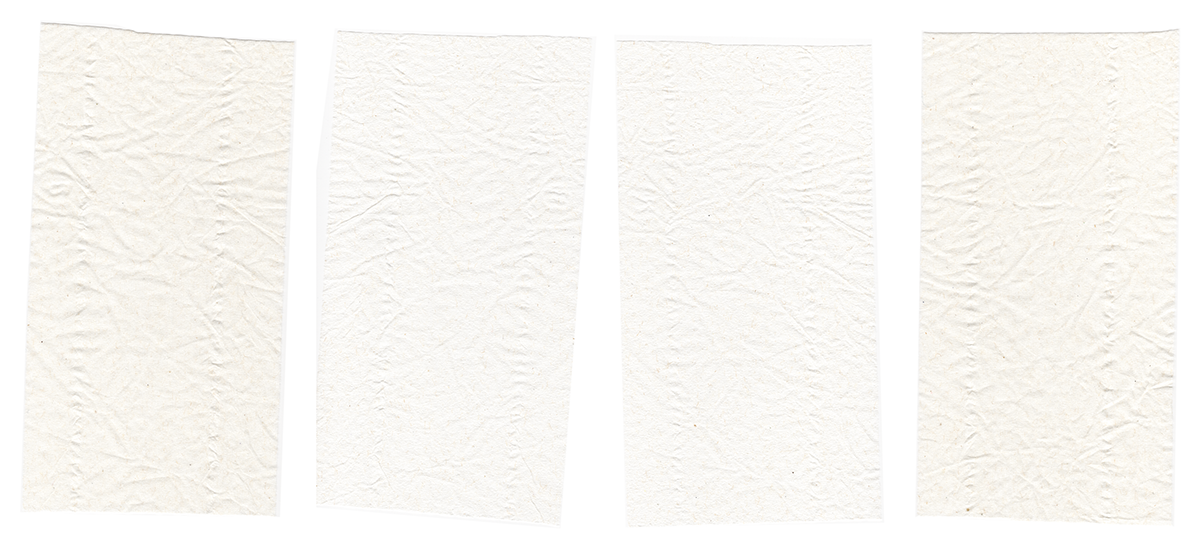
tp2b3.25
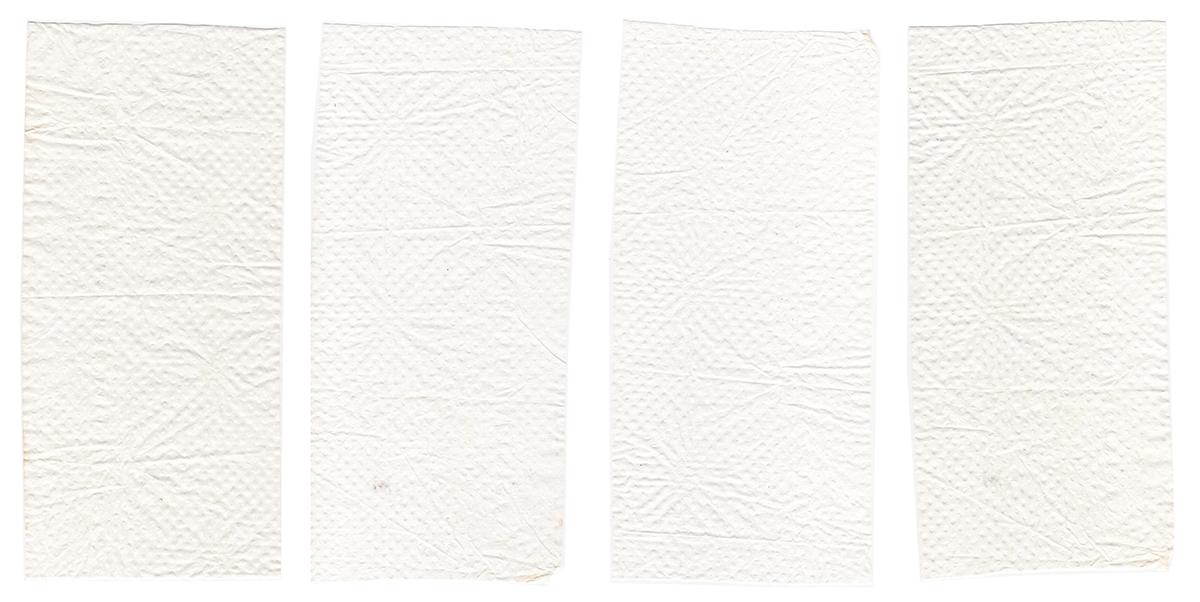
tp2be3.25
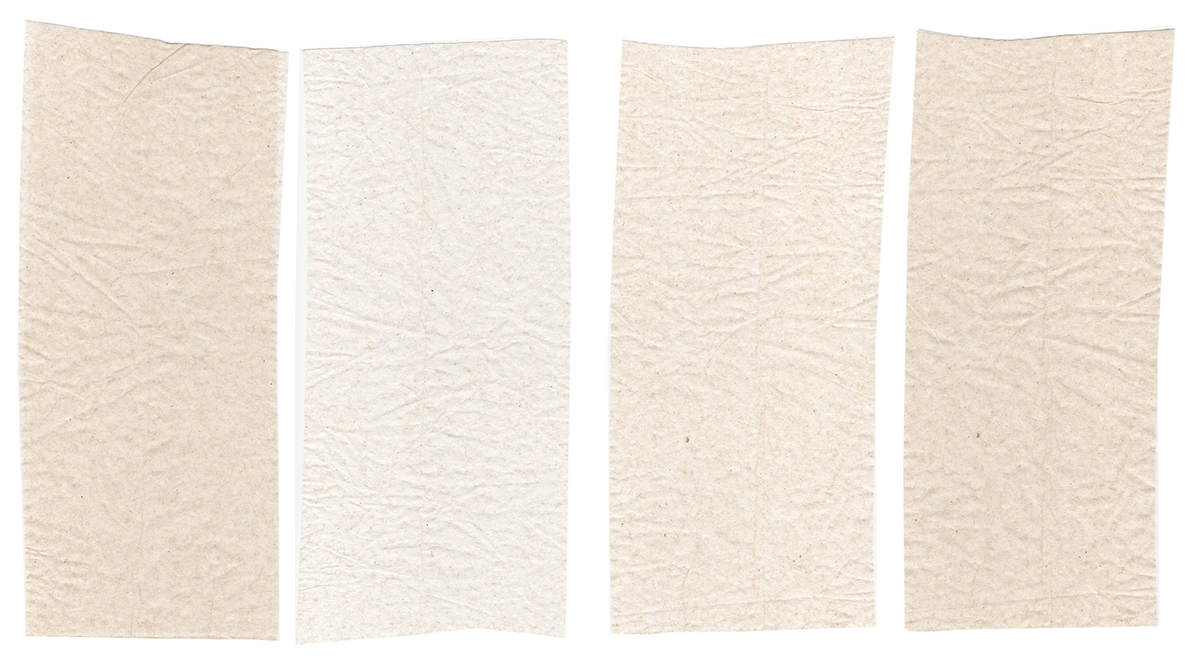
tp2be3.5
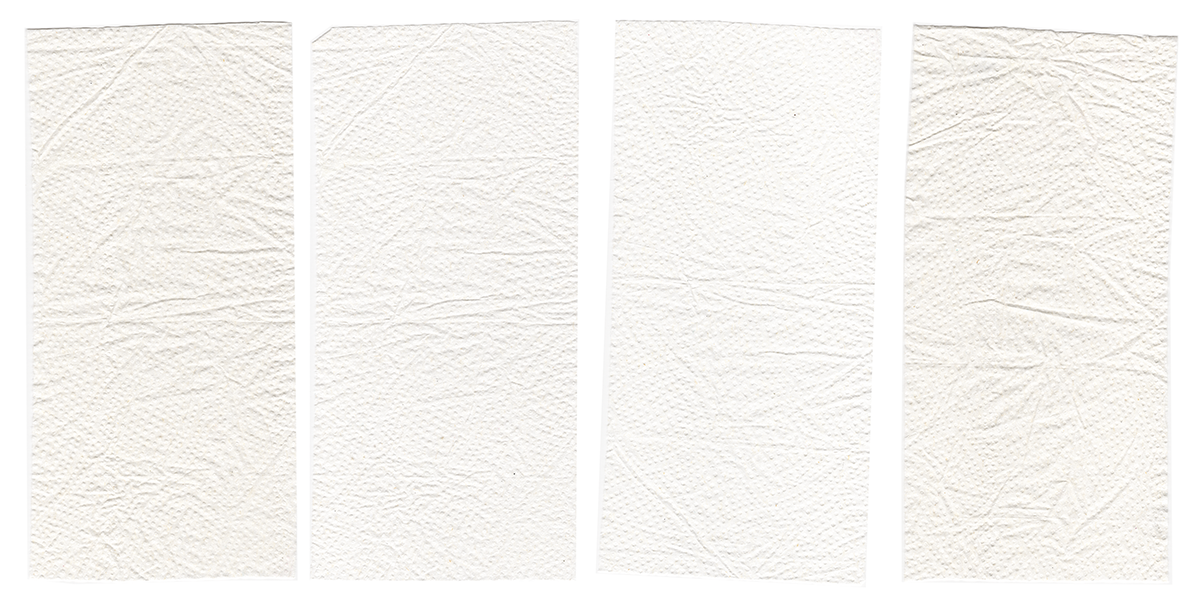
tp2be3.5
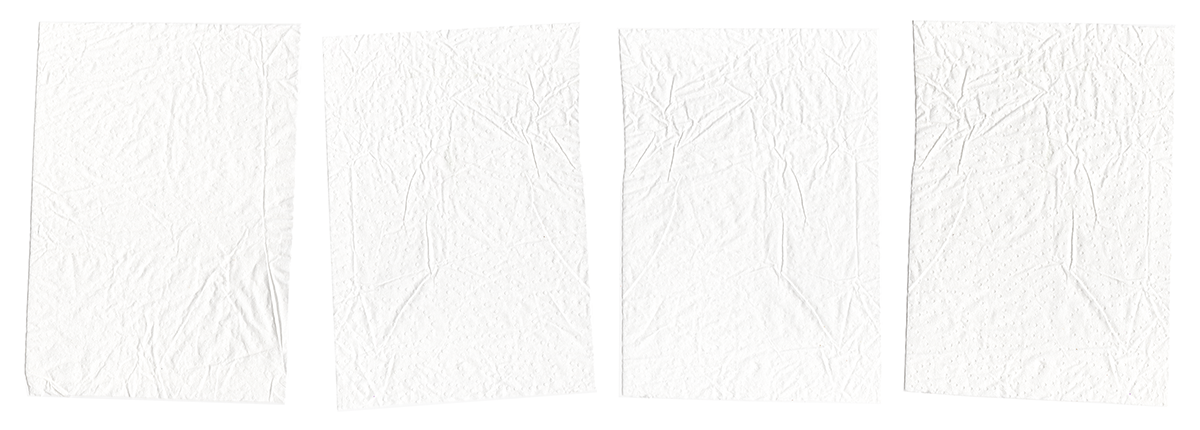
tp2be4
deply began in 2018 as an archive of collected toilet paper, scans, sound recordings, and cataloged material information. I collect toilet paper by taking two squares from every roll I encounter or, when the toilet paper is not perforated into squares, two similarly sized lengths. From each pair, I scan the front of one piece and the back of the other. I then deply one of the pieces, pulling apart its individual plies and recording the sound of their separation. I scan the newly exposed insides of the separated plies.
Alongside the scans and recordings, I document particular qualities of each sample, including the number of plies and whether the toilet paper is bleached, embossed, printed, or scented. When a sample is scented, I record the scent when I can identify it, the perception of which is of course particular to me. When a sample is not bleached, I record its color, using the manufacturer's name for the color when that information is available or, when it is not, naming the color as I perceive it.
These observations form a cataloging system through which each toilet paper receives an identification reference, compressing qualities I encounter through collecting and deplying it into a line of text. Each identification reference begins with tp, identifying the material as toilet paper. The letters and numbers that follow record particular qualities of the sample, with additional information appearing in parentheses. For toilet paper that is not bleached, the color appears in parentheses; for scented toilet paper, the scent appears in parentheses. The identification ends with the measurements, in inches, of a square when the toilet paper is perforated. When it is not perforated, only its width is included, since without a perforation determining where one piece ends and another begins, its length could presumably continue for as long as the making entity allows it to.
The scans record sides accessible while the toilet paper is intact as well as interiors made accessible through deplying: the front, back, and insides of its plies. Seemingly duplicate toilet papers are removed from the collection. The collection is organized according to the information compressed within each identification reference and, generally, by size.
For example: tpc(peach)2e(zewa)sc(peach)5×3.5 identifies a toilet paper (tp) that is with color (c), peach in color (peach), two-ply (2), embossed (e), the brand is embossed so is listed in parenthesis (zewa), peach scented (sc(peach), and 4×2.5 inches).
tp — toilet paper
1, 2, 3, etc. — number of plies
b — bleached
nb — not bleached
c — with color
e — embossed
p — printed
sc — scented
It might seem absurd that I have dedicated so much attention to toilet paper. It is, after all, created to be disposed of, presumably into a toilet, and designed to break down quickly with the help of water and the excretions that are probably caked onto or soaked into the used paper as it is disposed. But I already give toilet paper a great deal of attention, and so perhaps it is not so absurd to give a little more attention to the attention I already give. Through deply, I structure this attention through a procedure: hoarding only two pieces from each toilet paper I encounter and engaging those pieces through a series of actions whose encounters can then be written into particular identifying markers.
The scans of a toilet paper square that has been deplyed are presented from left to right in the order that I encounter each side through deplying. The far-left scan shows the front of the square, the side that faces outward and greets me as I pull the toilet paper toward me from the roll. The far-right scan shows the back, the side that faces inward toward the core of the roll. Between them are sides that I encounter only by pulling the plies apart.
What I take up in my hand as one square separates into two plies as I deply it. Sides that had faced and pressed into one another become accessible to my fingers and my perceptual capacities, and then to the scanner and its perceptual capacities. The scanner illuminates each accessible side, its light interacting with the thin paper before the scanner translates the light returned to its sensor into a digital image at a specified resolution, in this case 2000 dpi. For two-ply toilet paper, scanning each side of each ply creates four images: the outward-facing front, two previously inward-facing sides, and the inward-facing back. Three-ply toilet paper creates six.
After scanning every side, I cut and paste the images into a single document, arranging them from left to right so that the scans follow my movement through the square: from its outward-facing front, through the sides pressed together within its thickness, to its inward-facing back. The dimensional toilet paper that I take up in my hand is flattened by the scanner and multiplied through the repeated yet distinct action of scanning each of its sides into a line of images that suspiciously resembles paint samples. Slight differences in color appear from one scan to the next as the paper interacts differently with the scanner’s light.
Deplying makes more sides accessible than the intact square initially presents. What had contributed to the thickness of one square appears after deplying beside itself as a line of faces. The thickness of the intact square, then, is not simply a quantity of material between a front and a back. It is also made through multiple sides pressed into one another. Deplying separates these sides, and scanning places the separations beside one another.
Through this project, I have found that much toilet paper is embossed. Embossing presses a design into the paper, creating points of attachment where the plies are pushed into one another. The plies stick to one another primarily through these points, so that a flower, a butterfly, a diamond, a swirl, or a logo does not only create an image on the toilet paper but creates that image in and through the toilet paper. Many embossed designs are made from small dots, stippling the image of a flower, for example, rather than embossing the shape of a flower into the toilet paper with a connected line. Each dot is not only a point of attachment between the plies but also a point that, through its proximity to other dots, I connect across the spaces between them to perceive as a flower.
As the number of embossed points increases, or as a design becomes more elaborate through concentrations of dots and larger connected lines, I find more places where the plies stick to one another. In some toilet papers, these attachments make the plies difficult to separate. As I pull them apart, the paper sometimes tears before the points of attachment separate. The manufacturing process joins the plies so insistently that my attempt to expose their interiors damages them. The tear evidences the attachment between the plies: in trying to separate them, I find where and how strongly they have been joined. The design is therefore not only a design on a layer of paper but a design made through relations between layers of paper.
Some manufacturers also incorporate branding into the embossment through connected lines. Zewa, for instance, embosses its name within the connected outline of a cloud, so that the commercial identifier of the manufacturer is part of the design embossed into the toilet paper. These connected embossed lines create particularly tenacious points of attachment between the plies, which I almost always tear in my attempts to separate. Unlike the dotted flower, which I imaginatively assemble by drawing lines without material thickness across the intervals between its points, I need only read what is materially drawn before me: Zewa. My imagination can rest with the assurance that I know the brand not only from the toilet paper but within it: materially, as its name is impressed into the plies, and processually, as the particular embossment through which I read Zewa is also part of the process through which this particular toilet paper has been made and its plies attached.
Deplying lets me follow these embossed designs into sides that were inaccessible while the plies were attached. Before deplying, I encounter an impression of the embossment on the outward-facing side as I pull the toilet paper toward me from the roll. When I turn the toilet paper over, I encounter protrusions produced by those impressions on the side facing inward toward the core. Pulling the plies apart multiplies these encounters, exposing impressions and protrusions on sides that had faced into and pressed into one another within the thickness of the toilet paper.
I can follow a design from an impression on one side, around the thickness of a ply to a protrusion on the other, and then across the point where that protrusion meets another ply. In a one-ply toilet paper square, the side facing outward toward me is impressed inward. Turning the ply over, I can see and feel the resulting protrusions on its inward-facing side: an impression on one side of the ply corresponds to a protrusion on the other. In two-ply toilet paper, the outward-facing side of the first ply is similarly impressed inward, with the protrusions of the embossed design extending from its inward-facing side. When I deply the square, however, the newly exposed side of the second ply also protrudes toward the first. Turning the second ply over, I encounter impressions corresponding to those protrusions. Each ply therefore has its own direction of relief, with the protruding sides of the two plies facing toward one another within the intact square.
The three-ply toilet paper I have deplyed complicates this movement further. Moving from the outward-facing side of the square toward the side that faces the core of the roll, I encounter an impression on the front of the first ply and a protrusion on its back; an impression on the front of the central ply and another impression on its back; then a protrusion on the front of the back ply and another protrusion on its back. The first ply therefore moves from impression to protrusion; across the central ply I encounter impression and impression; and across the back ply, protrusion and protrusion. Deplying does not tell me how these configurations were manufactured, but it gives me something from which to imagine their making. Moving through the thickness of the square, I try to reconstruct the pressures, directions, and contacts that might have produced the relief I encounter.
I became curious whether what I perceived in the toilet paper, and what I imagined about how it had been made through those perceptions, corresponded at all to the processes of its manufacture—as if my hands and eyes could read a memory of making within the impressed and protruding fibers of its plies. After making many inquiries, through multiple modes, to toilet paper manufacturers, I pieced together a rather speculative narrative from the specific descriptions and terminology of material processes that came to me through the industry, often from call center workers who admitted that they did not really know much about how the toilet paper was made:
To make a roll of multi-ply toilet paper, begin with large parent reels of thin tissue paper and unwind their continuous sheets, or webs, into a converting machine. To emboss a web, feed it between an embossing roll, a cylinder engraved with raised points or patterns, and a pressure roll, often covered with a material that can deform like rubber. As the two rolls rotate toward one another, the raised pattern of the embossing roll pushes the tissue into the pressure roll, impressing one side of the paper while producing corresponding protrusions on the other. For multi-ply toilet paper, different webs can pass through separate embossing rolls before being brought toward one another. Arrange the protrusions of one embossed ply directly against the protrusions of another for tip-to-tip embossing or position the protrusions of one ply within the spaces between the protrusions of another for nested embossing. Join, or ply-bond, the plies by bringing them through another point of pressure, sometimes called a laminating nip or marriage nip; depending on the process, adhesive, water, pressure, or combinations of these can help attach the plies. Additional decorative embossing can also be pressed into the already joined plies. The resulting multi-ply web is then rewound around a cardboard core into a long toilet-paper log, cut into individual rolls, and perforated across its width so that the continuous web can be torn into squares. Or not.
I can take my speculative narrative back to the toilet paper, using what I have learned about the processes and tools of its manufacture to imagine how each particular toilet paper might remember its making and, through that imagining, notice something I had not noticed before. An irregularity repeated throughout an embossed design, for example, might become a nick I imagine in an embossing roll, pressed repeatedly into the paper as the roll turns.
But the toilet paper also remembers encounters that exceed the narrative of its manufacture. The crinkles and wrinkles across another piece might attune me to my own memories with the toilet paper, such as folding two perfect little squares into my pocket so that no one notices I have smuggled them from the bathroom, then carrying them there until I can deposit them into the cardboard box where I store my collection at home. The wrinkles created through this necessity, in collaboration with my pocket and the movements of my body as I make my way home, were not part of the manufacturing process or an intended design.
When I unfold the toilet paper and smooth it to press against the scanner, however, the wrinkles do not smooth out completely, some continuing to appear in the resulting scan. The wrinkles attune me to the different wrinkabilities of the toilet papers I collect. Softer toilet papers seem to wrinkle less, or at least to remember less of their wrinkling in the scans. A wrinkle created through my handling can therefore direct my attention both toward what I have done with the toilet paper and toward differences in how each toilet paper responds to what I have done.
I use my imagination again to create other narratives from what I notice, informed by the speculative narrative of making that I pieced together in collaboration with many call center representatives. With the toilet paper, I make more memories through what the toilet paper has remembered through its making and my encounters with it. A paper designed and manufactured so carefully and thoughtfully to be used and disposed of is instead collected and remembered through an archive of images, recordings, and recallable identifiers that may ultimately mean very little to a general viewer but, for me, recall my relationship with each piece.
Numerous other collectors have joined this project over time. If you wish to contribute to this project by submitting 2 squares of toilet paper, please email em irvin for instructions.