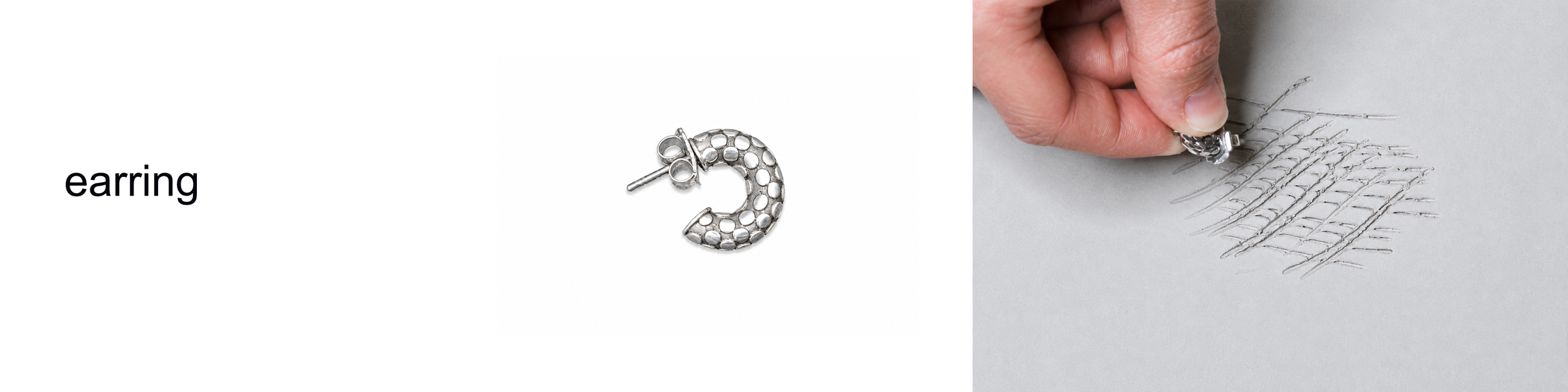
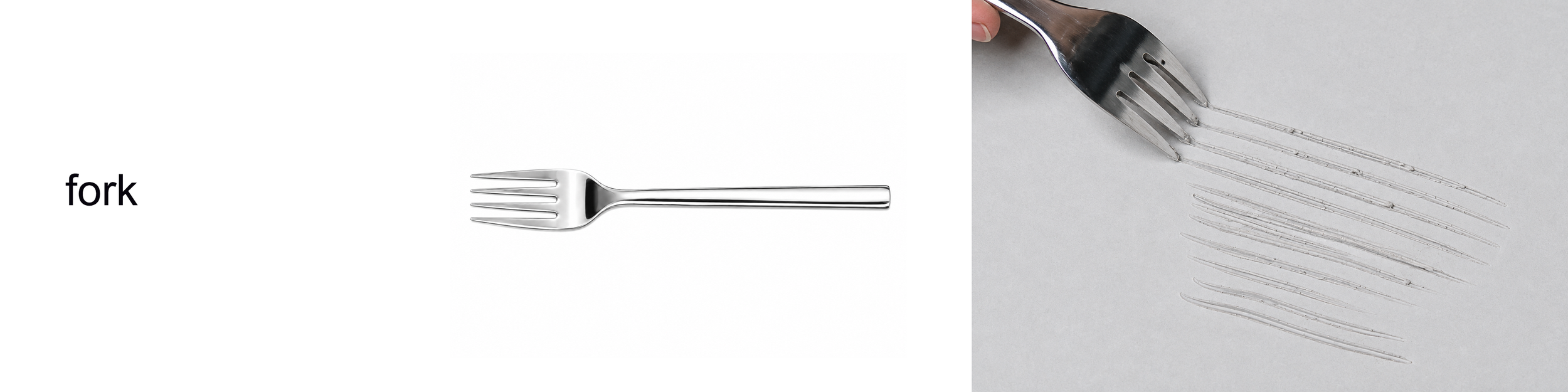
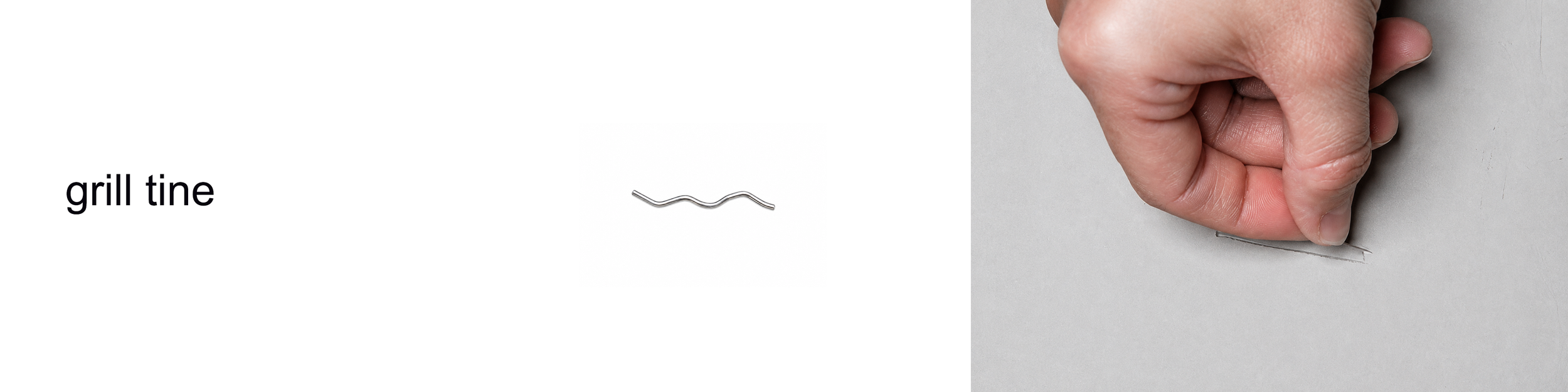
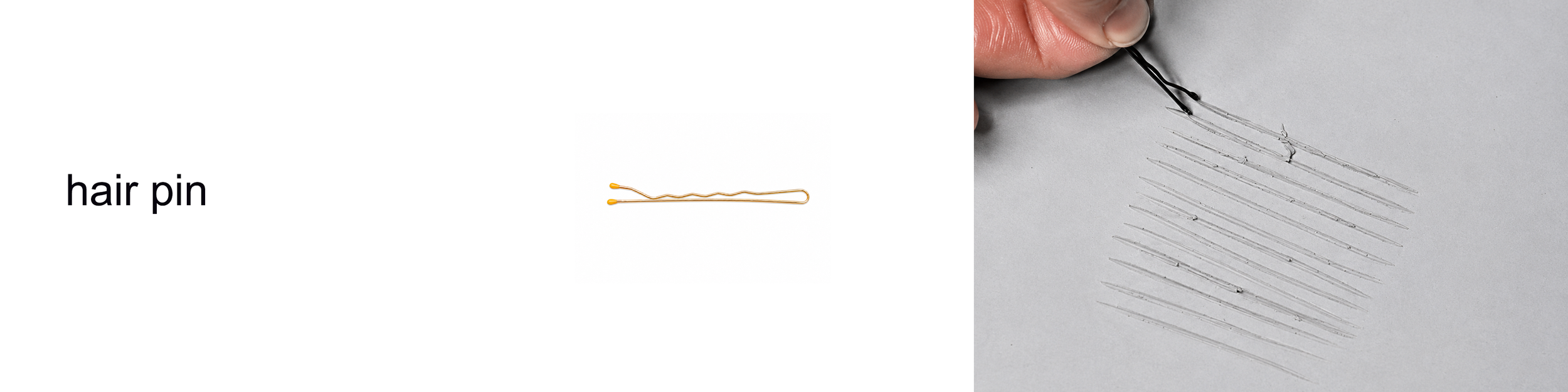
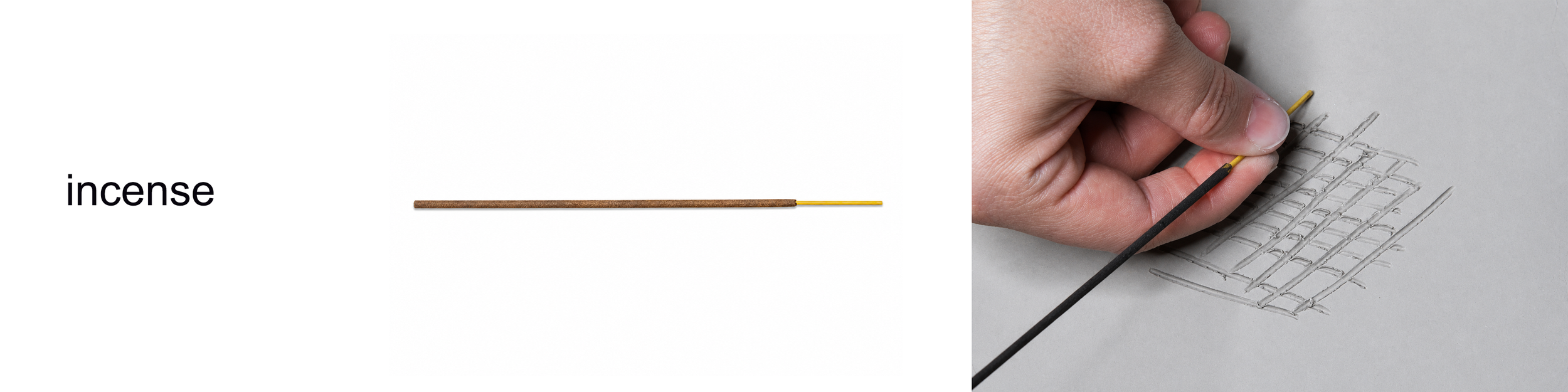
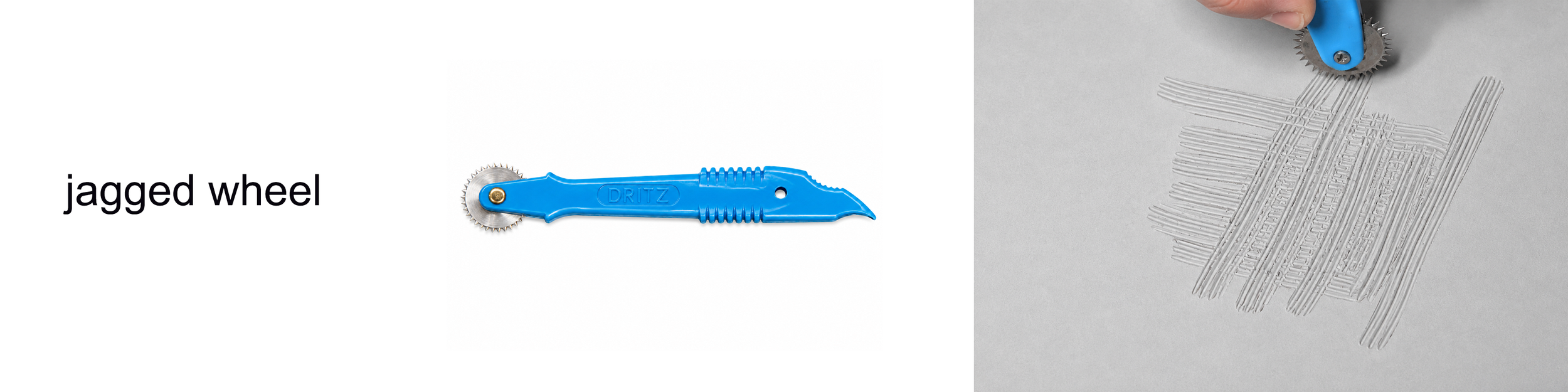
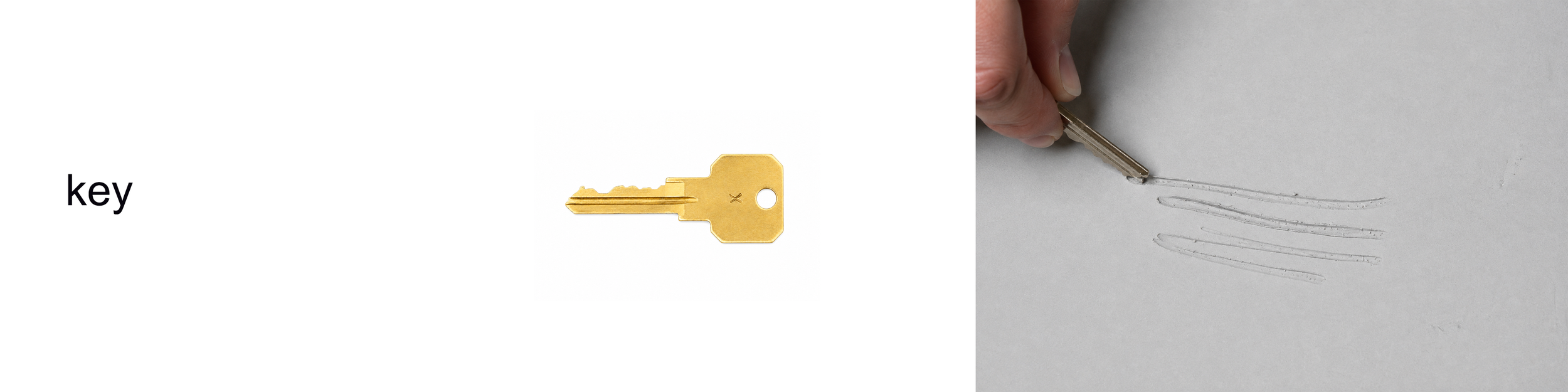
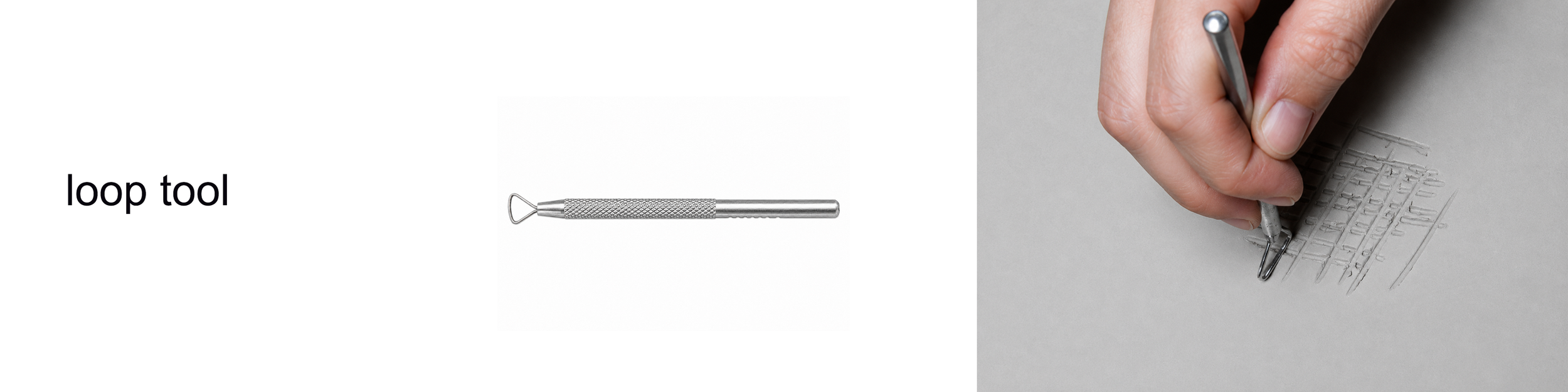
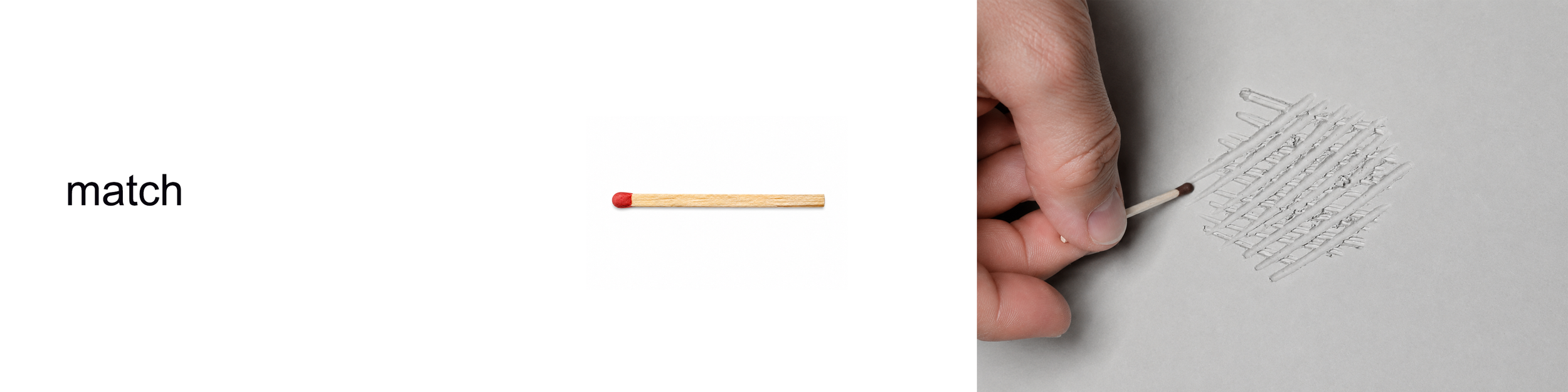
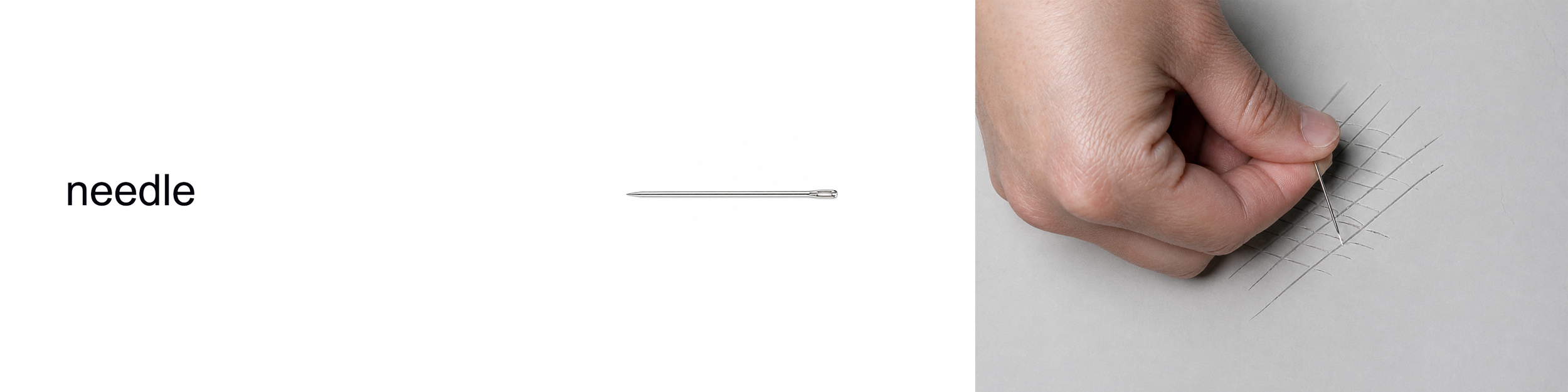
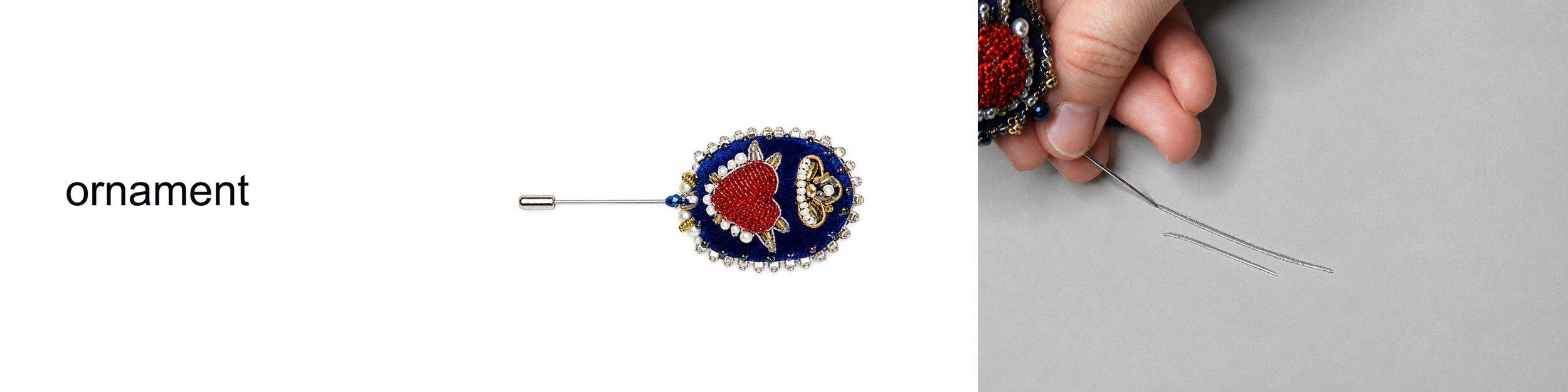
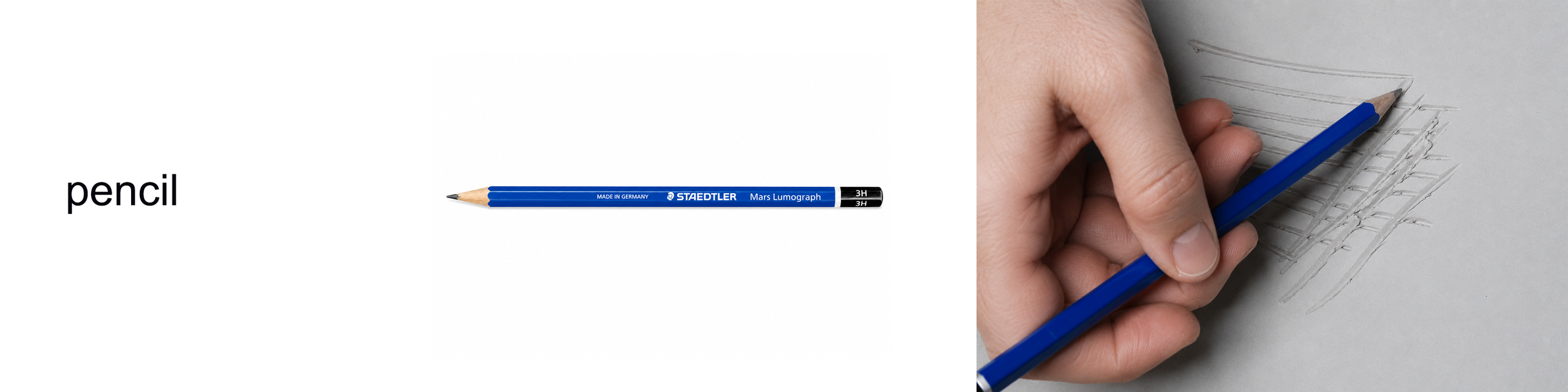
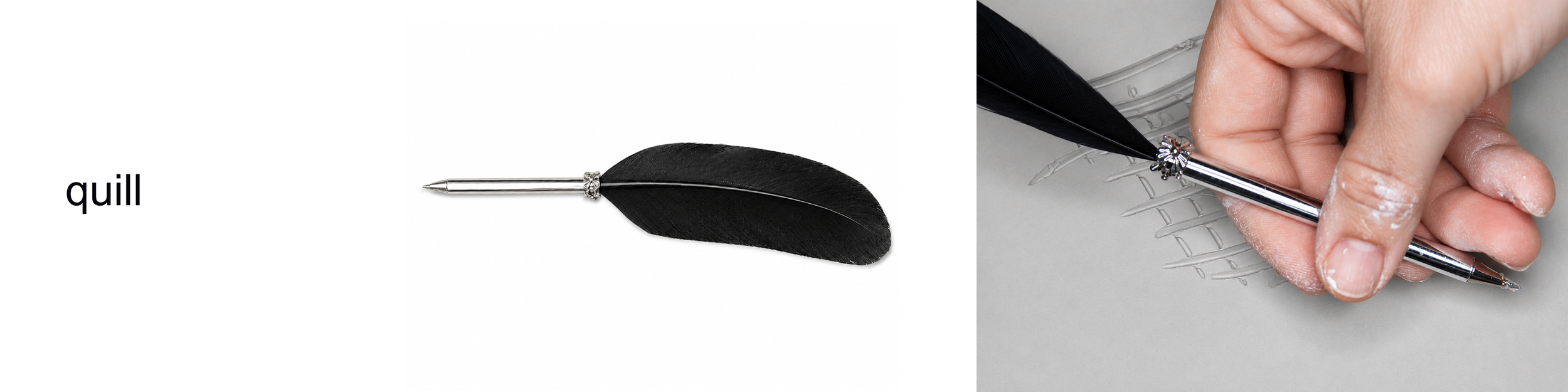
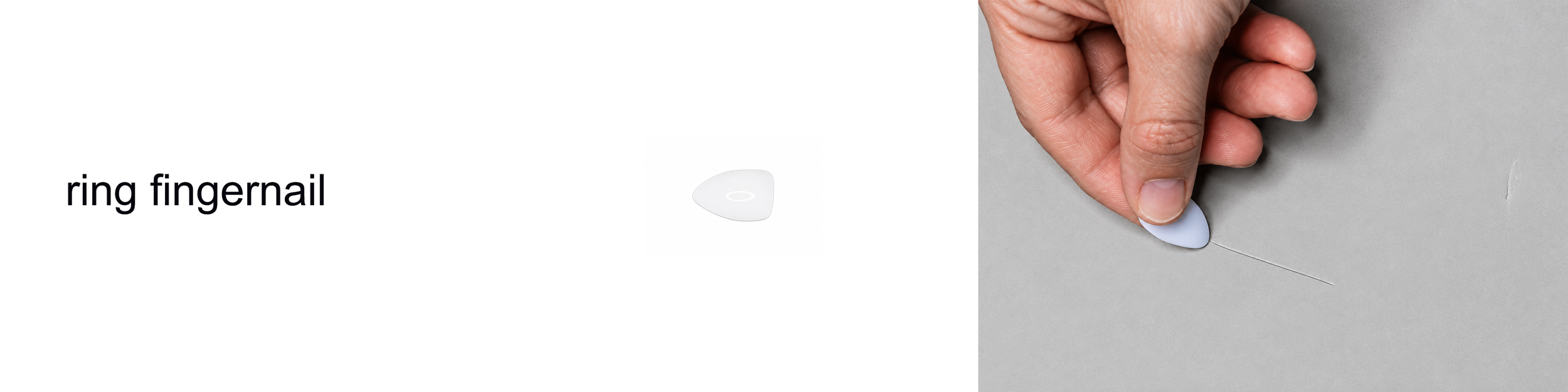
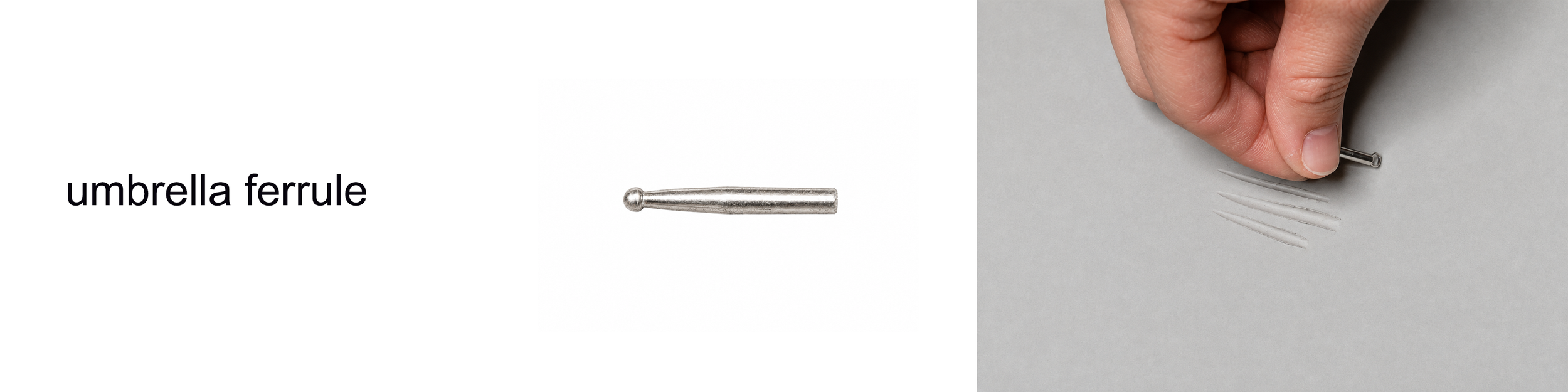
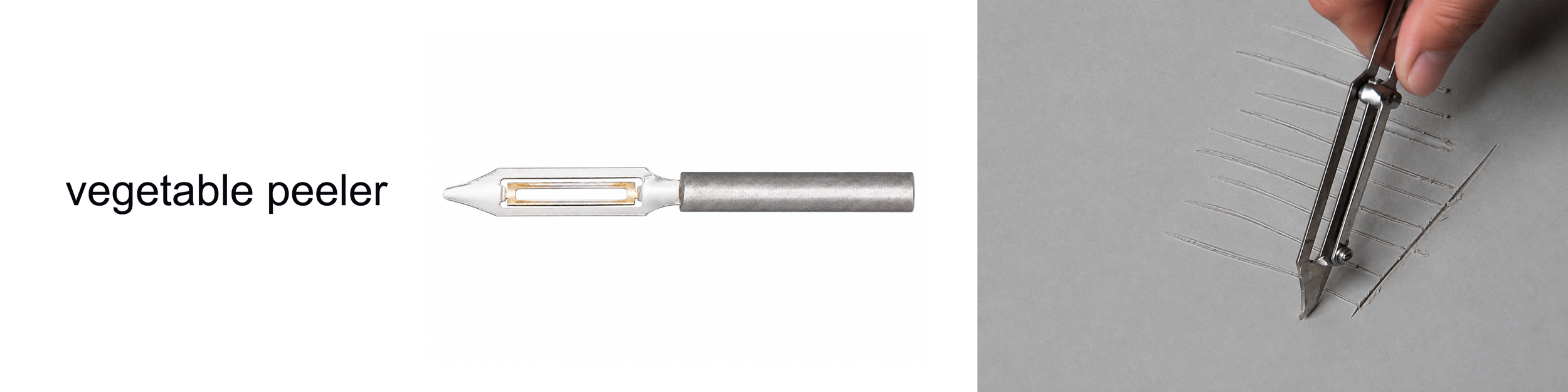
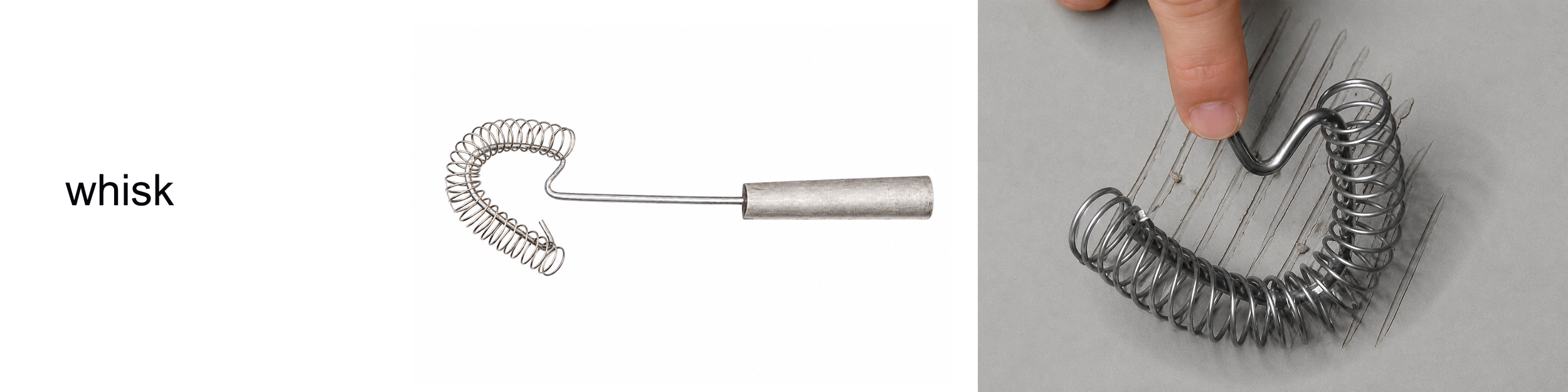
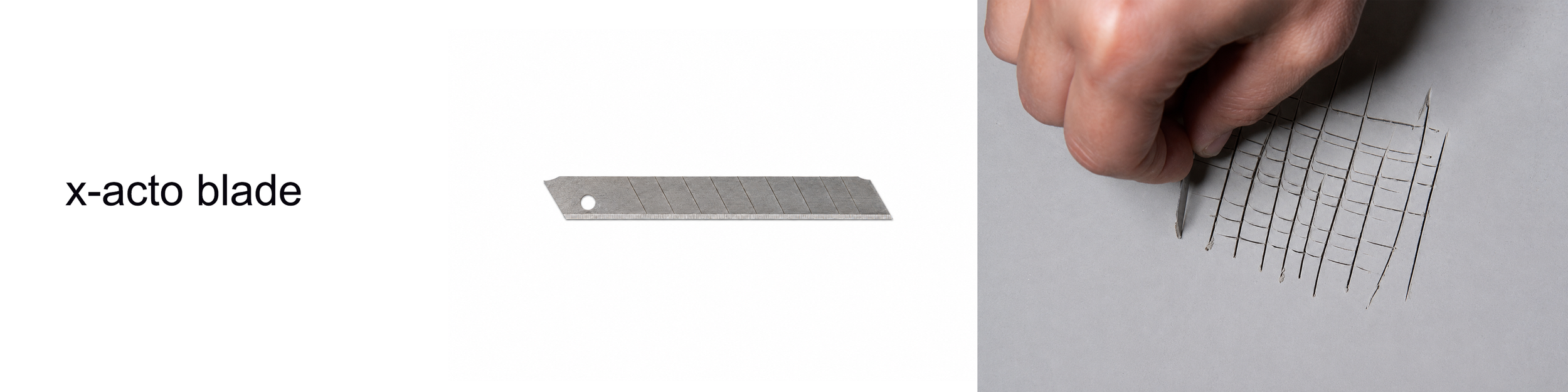
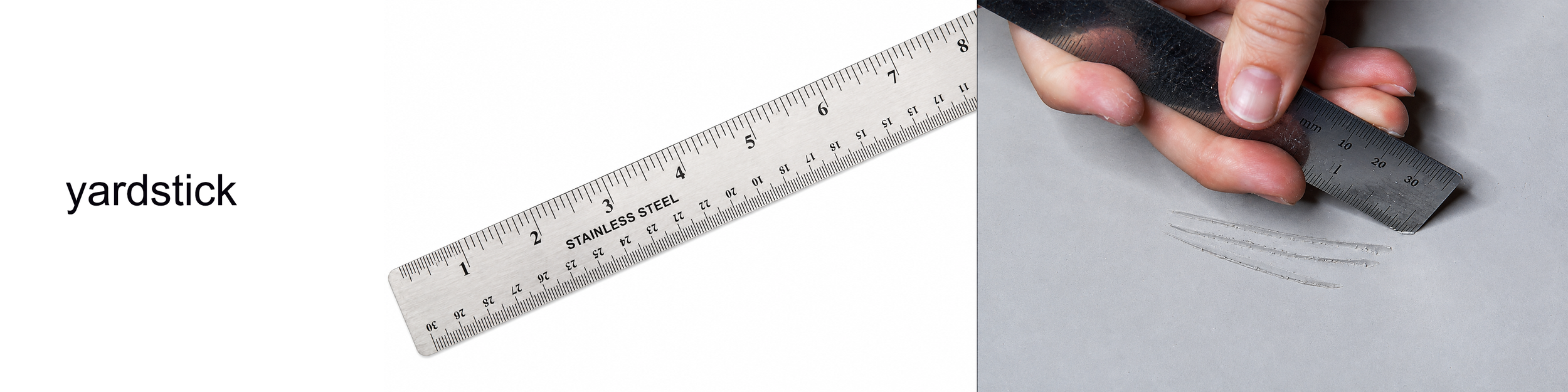
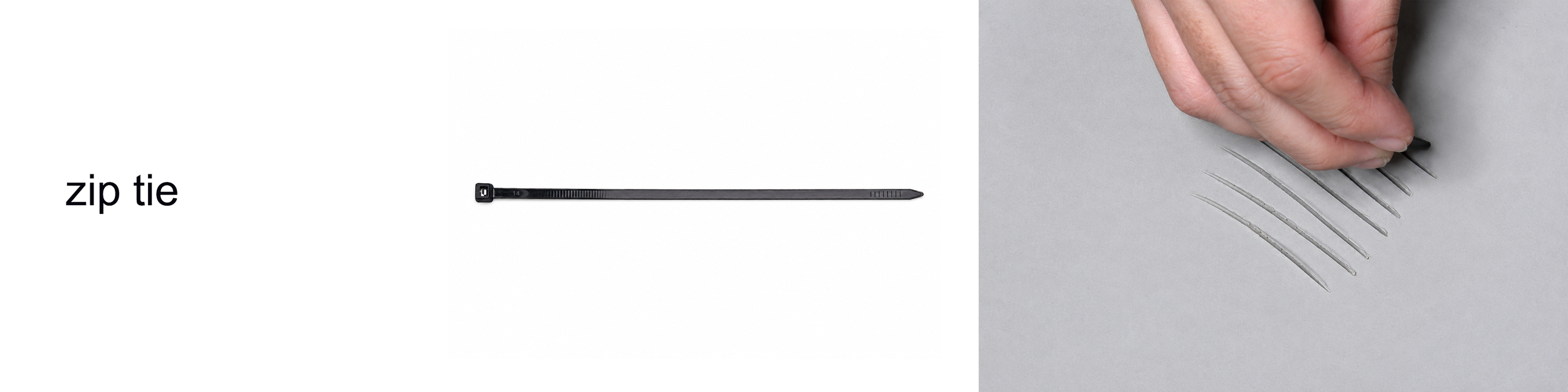
Score follows the point of a scoring tool through clay and through its representations. In ceramic practice, scoring prepares clay bodies to be joined by roughening the surfaces where they will meet. A pointed tool presses into wet clay and moves through it, dragging clay with its point and pushing clay apart along its path. The movement leaves grooves, ridges, burrs, and displaced clay across the surface. At a scale I cannot readily see while scoring, clay platelets slide across films of water as the tool passes among them. What appears to my eye as a scored line is made through many encounters among tool, clay, and water. I collect tools taught for scoring within American studio ceramics—needle tools, serrated ribs, wire brushes—and place them alongside other pointed objects that might also bite, drag, scrape, puncture, or pass through clay. Different points encounter clay differently. Their shapes direct pressure differently, move different amounts of clay, and produce different marks. Scoring with these tools expands the action beyond a technique I was taught to repeat toward a way of attending to what occurs when a point meets and moves through clay. I follow these encounters through performance, video, writing, and diagrams. A video follows a tool passing through clay. A still image catches a moment of that passage. A diagram draws attention toward particular relations within the still. Writing approaches scoring again through words arranged into scoring tools, points, lines, and scored passages. Each representation bites into scoring from a different orientation, pointing toward some of its encounters while reaching a limit in what it can represent. Moving among these representations changes what I can attend to when I return to scoring clay. I cannot see clay platelets sliding across films of water beneath the point of my tool, just as a diagram of their movement cannot reproduce the encounter of a tool pressing through wet clay. The representations instead accumulate around scoring from different orientations. I pass among their points, edges, and limits toward an embodied sense of scoring that remains more than any one representation can hold.
Score. Ongoing performance. 2023. University of California Davis, Davis, California. Sounds created with the assistance of Ryan Danley.
(cleaning brush bristles)
(needle nose pliers)
(dried cattail stem)
(stitching spacer)
(tape dispenser)
(electrical fuse)
(point bar stilt)
(broken mirror)
(edge creaser)
(earring post)
(plumb bob)
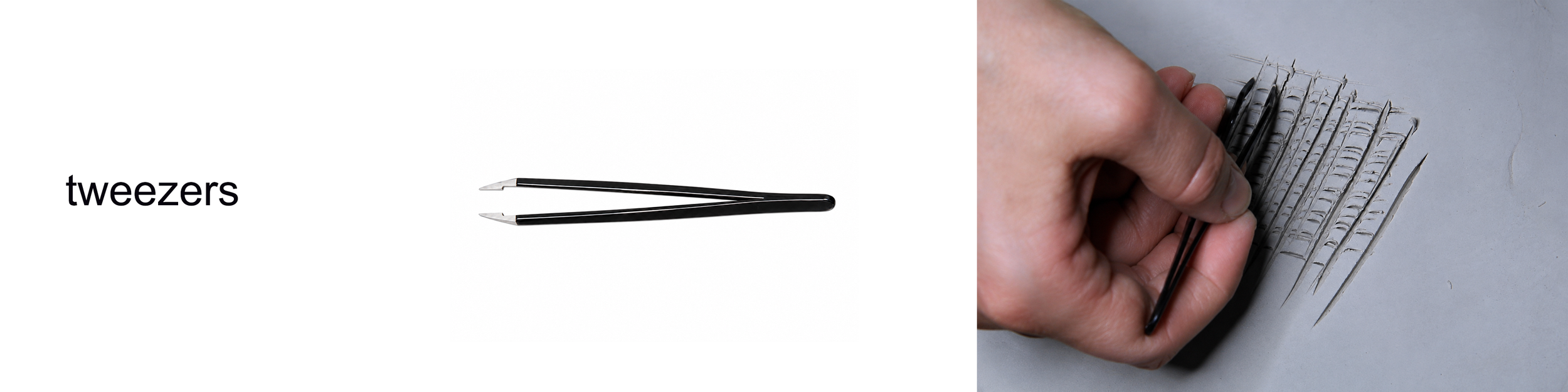
(tweezers)
(aloe vera)
(threader)
(bayonet)
(star stilt)
(pop tab)
(spindle)
(skewer)
(square)
(needle)
(ripper)
(stylus)
(icicle)
(spine)
(blade)
(spork)
(beak)
(rake)
(nail)
(tack)
(knife sharpening steel)
(drafting compass)
(clothespin spring)
(clipped toenail)
(credit card cut)
(basket pieces)
(feather shaft)
(coffee stirrer)
(key opener)
(corkscrew)
(cultivator)
(tree bark)
(capacitor)
(chopstick)
(barrette)
(incense)
(twist tie)
(resistor)
(curette)
(grovel)
(pruner)
(chisel)
(zip tie)
(pencil)
(brush)
(knife)
(tooth)
(thorn)
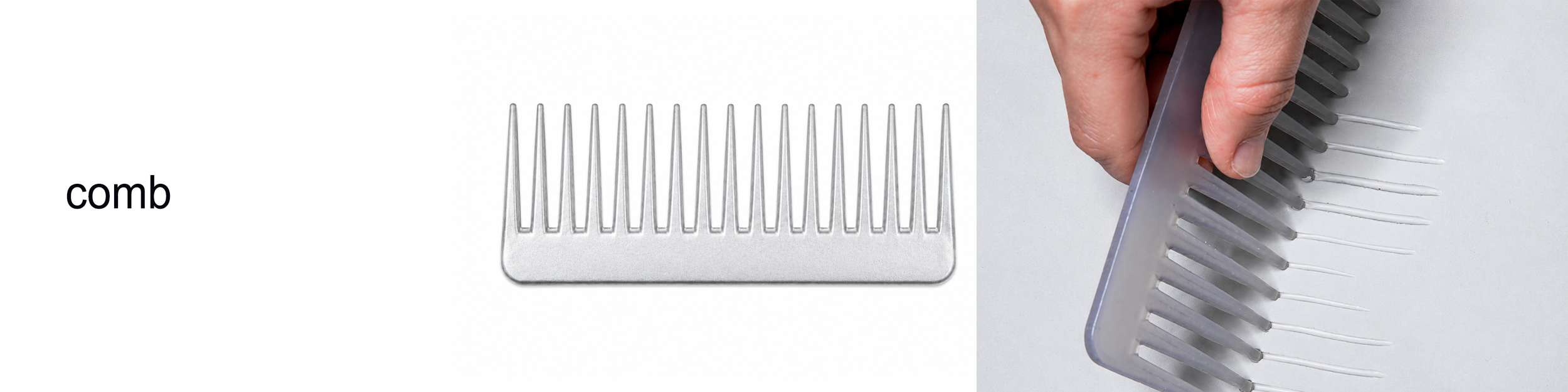
(comb)
(stick)
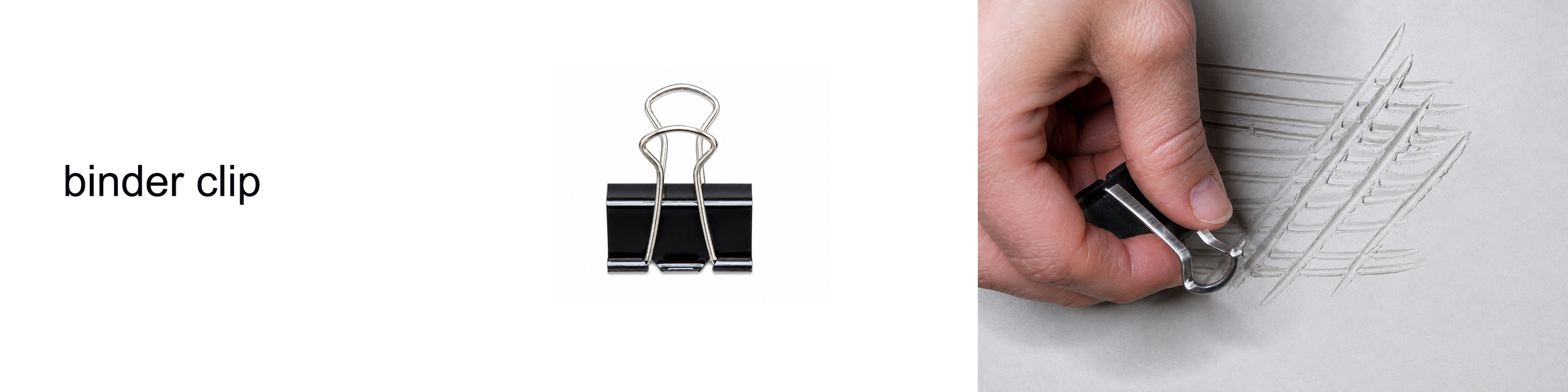
(clip)
(liquid soap nozzle)
(broken ceramics)
(eyeglass temple)
(string with aglet)
(stitcher wheel)
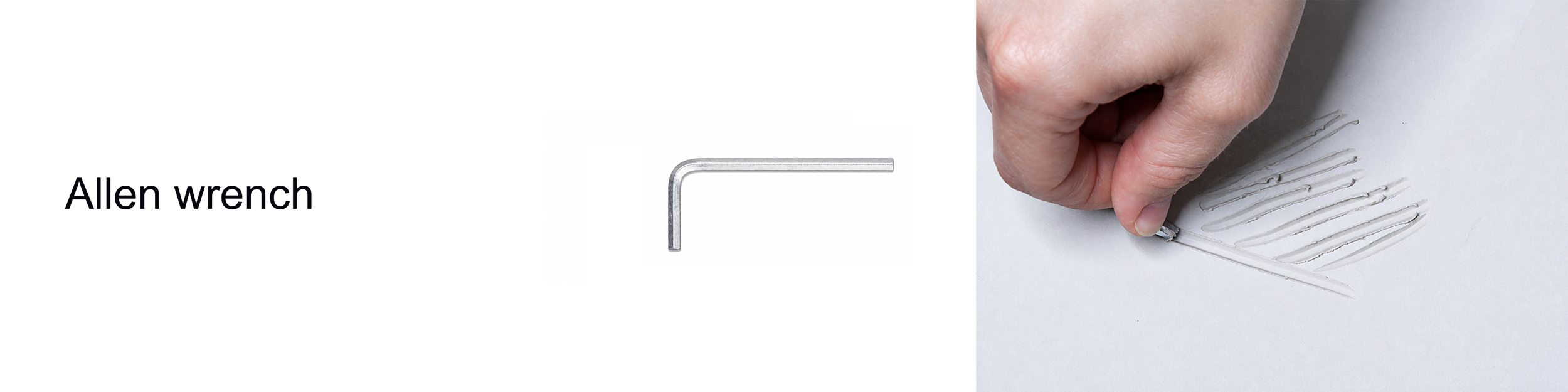
(alien wrench)
(air pump tip)
(broken glass)
(barbed wire)
(screwdriver)
(belt prong)
(transistor)
(glue tool)
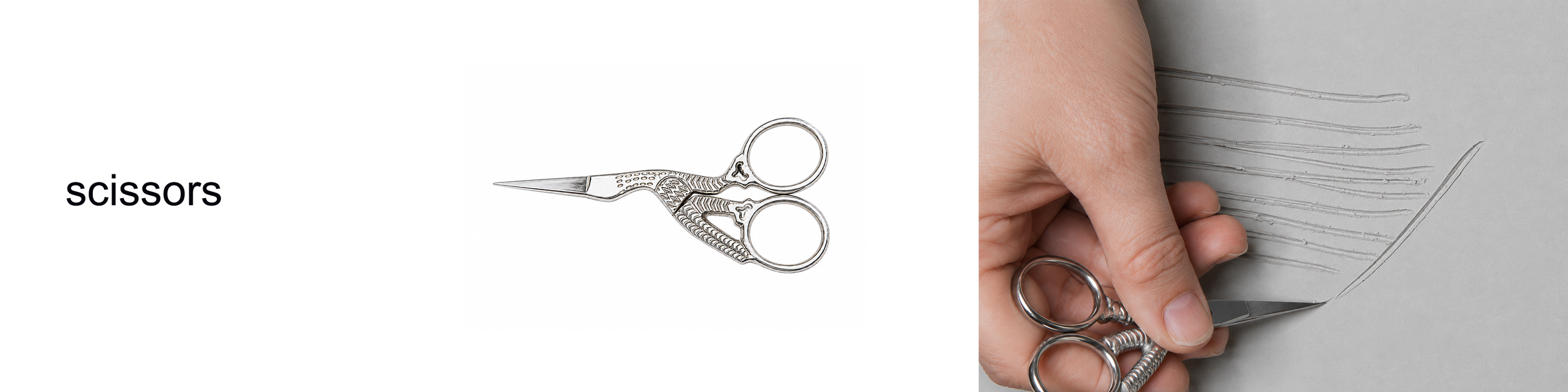
(scissors)
(splinter)
(groover)
(beveler)
(hanger)
(scalpel)
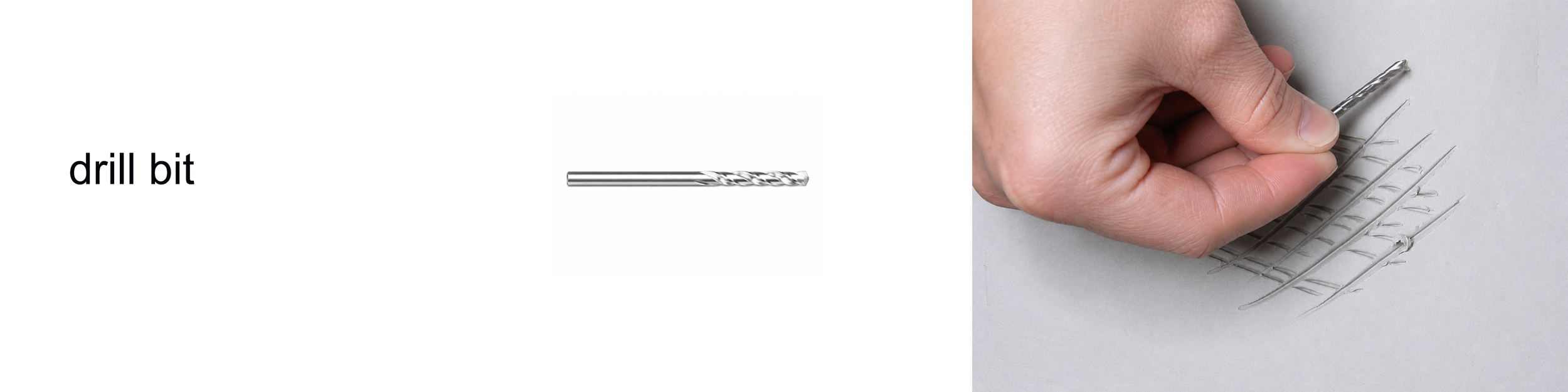
(drill bit)
(scaler)
(sharps)
(staple)
(spike)
(briar)
(straw)
(wire)
(rasp)
(hook)
(pick)
(awl)